After a storm, it is normal to feel relieved that it has passed. However, once everything settles, it is important to take a closer look at your home. A storm can harm the roof, siding or gutters, even if the damage is not easy to see. Sometimes there are missing shingles or cracked siding panels. Other times, the damage is small and hidden. Even small problems can turn into larger concerns if they are left unattended.
Storm damage repairs done at the right time prevent bigger problems later. When you repair the damage early, you help protect your home and avoid higher costs. Waiting may make the damage worse and require more complex work in the future.
Common Signs of Storm Damage
Some signs are clear and easy to notice. Others may not appear right away. Common signs include:
- A few shingles that are cracked, raised or missing
- A section of siding that looks loose or bent
- A small leak or damp spot inside the attic or ceiling
- Gutters that are bent or not draining correctly
Sometimes homeowners do not notice anything unusual right after the storm. But later they find stains on the ceiling, drafts or moisture. This is why it is helpful to check the home more than once after a storm.
What Happens When Damage Is Left Unrepaired
A home protects you from rain, wind and temperature changes. When storm damage is present, even a small opening can allow water to enter the structure. At first, the water may not seem harmful. Over time, however, it can travel behind walls, under roofing materials or into insulation.
Water that remains can cause several issues. It can damage wood framing or cause mold growth. It can reduce insulation performance, which may lead to higher heating and cooling costs. The longer the damage remains, the more areas it may affect.
The Value of Timely Repairs
Timely repairs can prevent the problem from growing. Even simple repairs completed early can protect the rest of the home. Repairing damage right away helps avoid long-term structural and moisture problems.
When damage is repaired in the early stage, it usually requires less work and fewer materials. This often results in lower cost and less disruption. For this reason, handling repairs as soon as possible is helpful.
When Roof Damage Is Ignored
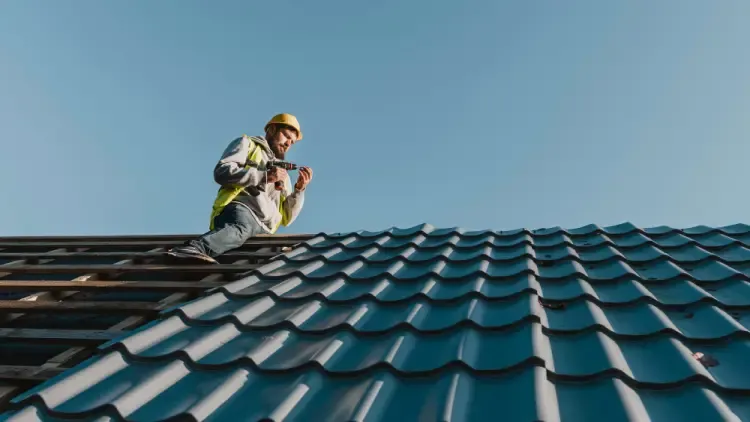
The roof is often the first part of a home affected by storms. A single missing shingle may seem minor. However, it may allow rainwater to reach the roof deck. Once the deck absorbs moisture, the problem can expand.
Fast roof leak repair can prevent moisture from spreading. If you repair the leak quickly, the attic, insulation and ceilings stay protected. If the leak continues, additional repairs may be required later, which may include replacing larger sections of the roof.
Why Siding Damage Also Needs Attention
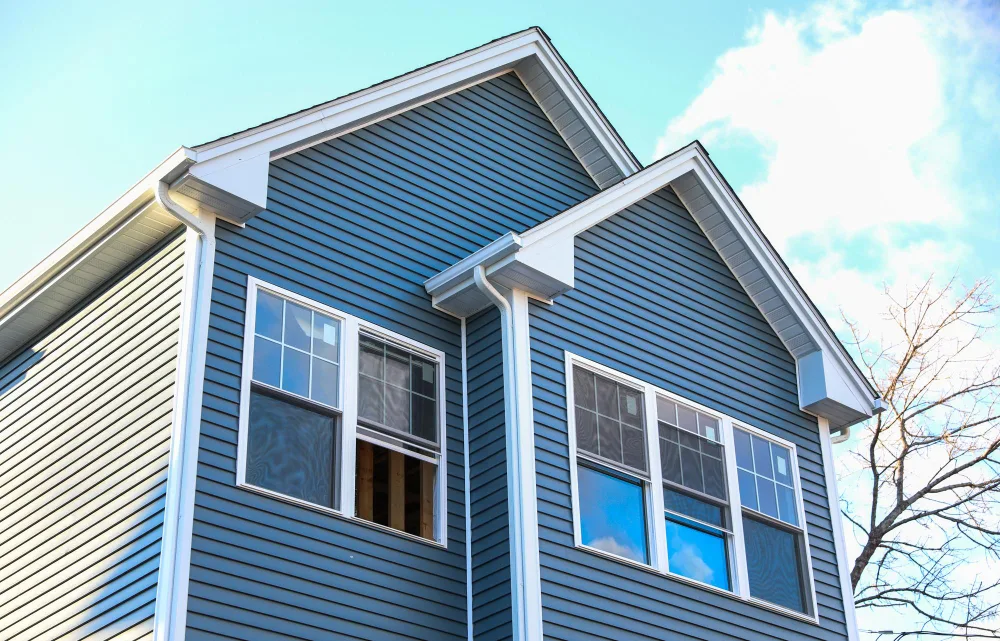
Siding protects the exterior walls. When siding becomes loose or cracked after a storm, the opening can allow water behind the panels. If this continues, water may begin to damage the material that supports the siding.
Storm damage siding repair is important because it helps maintain the strength and energy efficiency of the walls. A small repair now can prevent expensive replacement later.
When Replacement Becomes Necessary
In some instances, repairs may not be enough. If the storm damage is severe or if repairs have been delayed for too long, replacement may be the better option. This is common when there are many damaged areas or when water has affected large sections of the structure.
A storm damage roof replacement or large-scale siding replacement may be necessary when the damage cannot be repaired safely or effectively. Early action often prevents this situation, so it is helpful to schedule an inspection soon after a storm.
How Insurance Fits Into the Process
Insurance may cover storm damage. However, most insurance providers require that damage is reported within a specific amount of time. If the claim is made too late, the provider may deny it.
Insurance companies also expect homeowners to take reasonable steps to prevent further damage. If repairs are delayed and the damage gets worse, insurance may not cover the extra cost. Reporting the damage early and arranging repairs helps protect your coverage.
Why Professional Help Matters
Storm damage can sometimes look minor from the ground. A trained professional knows how to check the roof, siding and gutters carefully. They can identify problems that may go unnoticed and explain the next steps.
A company like Stein Home Solutions can assist with inspections, repairs and replacements. With help from a professional, homeowners can make better decisions and feel confident that the home is protected.
Final Thought
Storm damage repairs are an important part of caring for a home. When storms cause damage, it is helpful to respond early. Repairs completed in time protect the structure, prevent moisture issues and reduce long-term costs.
Stein Home Solutions can assist with storm inspections, roof repairs, siding repairs and full replacements when needed. If you believe your home may have storm damage, scheduling an inspection can help ensure your home stays safe and well-protected.
Frequently Asked Questions
- How long after a storm can you claim damage ?
The amount of time depends on the insurance policy. Some policies require a claim within a short period, while others allow more time. It is best not to wait because waiting increases the chance of coverage being reduced. Reporting early helps with documentation and keeps the claim process clear.
- Who is responsible for storm damage repairs ?
Most of the time, the homeowner is responsible for repairs. Insurance may help cover the cost if storm damage is part of the policy. If a tree from another property caused the damage, the situation may need further review. However, repairs should begin as soon as possible to prevent additional harm.
- What are the risks of delaying storm repairs ?
If repairs are delayed, small openings may become larger. Moisture may enter the home, which can lead to mold, rot or damaged insulation. In some cases, the damage may spread to other parts of the structure. Delayed repairs can also result in higher costs and possible insurance limitations.
- How can I tell if I need repairs or a full replacement ?
A full inspection is needed to decide. If only a small area is affected, repairs may be enough. If the damage is widespread or if the structure has been weakened, replacement may be required. A professional can help determine which option is most suitable.
- Can small damage wait until warmer weather ?
Waiting is not recommended. Even small openings can allow water to enter. Weather changes,such as heavy rain or freezing conditions, can make the damage worse. Addressing the problem early helps protect the home and prevent future issues.