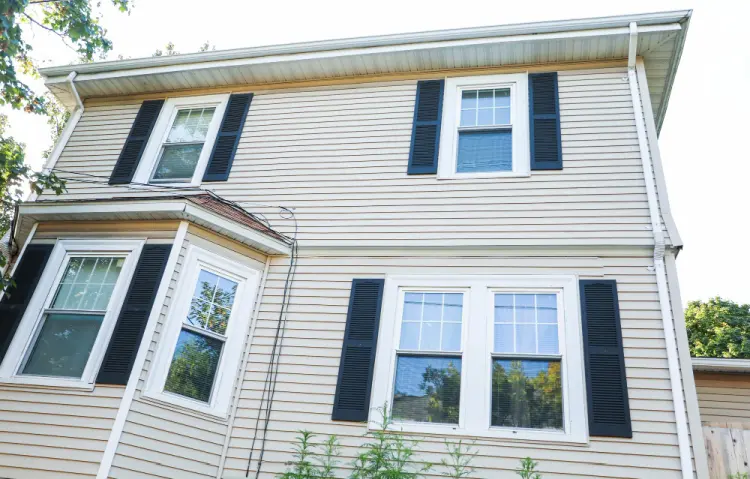
Winter is one of the toughest seasons for homeowners. Across the U.S., more than 31 million homes experience freezing temperatures for 30 days or longer each year. When temperatures drop, your home’s exterior becomes the first line of defense, and also the first place damage shows up.
Snow, ice, and freeze-thaw cycles can quietly weaken roofs, clog gutters, crack foundations, and damage siding. Without proper winter home safety planning, small exterior problems can turn into costly structural repairs by spring.
That’s why exterior winter maintenance isn’t optional, it’s essential. Below, you’ll find practical, homeowner-friendly home winterization tips, along with expert guidance from Stein Home Solutions, to help protect your home throughout the cold months.
Why Winter Home Safety Matters
Cold weather places unique stress on every exterior surface of your home. Snow piles up on roofs. Ice forms where drainage is poor. Temperatures fluctuate above and below freezing, causing materials to expand and contract repeatedly.
This cycle can lead to:
- Roofing materials loosening or cracking
- Gutters pulling away under the weight of ice
- Water infiltration behind siding
- Foundation cracks caused by frozen soil expansion
When exterior winter maintenance is neglected, water has a way of finding its way inside, often without obvious warning signs at first. Proactive cold weather home protection prevents emergencies and protects your home’s long-term value.
Getting Your Home Ready Before Winter Hits
Preparation is the foundation of winter home safety. These steps address the most common winter damage risks and can be completed before severe weather arrives.
Clear Gutters and Downspouts
Leaves, twigs, and debris left behind in fall quickly become ice dams in winter. When gutters are blocked, melting snow has nowhere to go. Water refreezes, adding weight that can pull gutters loose and force water back toward your roof and siding.
Clean gutters allow proper drainage and reduce ice buildup, one of the simplest but most important exterior maintenance tasks.
Inspect Your Roof
Walk around your home and visually inspect your roof from multiple angles. Look for:
- Missing shingles
- Curling or brittle edges
- Cracked or broken materials
Even minor roof damage becomes a serious issue once snow loads and ice settle in. Fixing problems early is far less expensive than emergency winter repairs.
Seal Gaps Around Windows and Doors
Drafts allow warm air to escape and moisture to enter. This increases heating costs and creates condensation that can freeze and expand. Applying caulk or weatherstripping around windows and doors is a low-cost way to improve cold weather home protection.
Protect Outdoor Faucets and Pipes
Disconnect hoses and fully drain exterior water lines. Frozen pipes expand and can burst, leading to flooding when temperatures rise. Many homeowners don’t discover this damage until spring, after major water damage has already occurred.
Trim Overhanging Tree Branches
Snow and ice add tremendous weight to branches. Any limbs hanging over your roof or near power lines should be trimmed back before winter storms arrive. This reduces the risk of falling debris damaging your roof or siding.
Protecting Your Roof During Winter
Your roof works overtime in winter. One of the most common cold-weather problems homeowners face is ice dams.
Ice dams form when heat escapes into the attic, melting snow on the roof. That water refreezes near the eaves, trapping additional runoff behind it. Eventually, water pushes under shingles and leaks inside.
How to Reduce Ice Dam Risk
- Ensure proper attic insulation and ventilation
- Keep gutters clear so meltwater drains properly
- Use a roof rake after heavy snowfalls to reduce load (from the ground only)
If ice dams continue forming despite these efforts, it often indicates deeper insulation or ventilation issues.
If you’re seeing recurring ice dams or interior water stains, contact Stein Home Solutions for a professional roof inspection to identify the root cause.
Outdoor Winter Hazards to Watch For
Winter creates more than just slippery surfaces, it introduces serious exterior risks that affect both safety and structure.
Common Outdoor Winter Hazards
- Icy walkways and driveways: Major fall hazards: use sand, salt, or ice melt
- Large icicles: Dangerous to people below and a sign of ice dam formation
- Overflowing gutters: Water spills onto siding and foundation areas
- Frozen ground near foundations: Expanding soil can crack foundation walls
Routine visual checks help maintain winter home safety and prevent hidden damage from escalating.
Safe Ladder Use for Winter Gutter Cleaning
Gutters still need attention in winter, but ladder safety is critical.
Safe Ladder Practices
- Use a sturdy ladder with non-slip rubber feet
- Set it on level, ice-free ground
- Always have a second person stabilize the ladder
- Wear boots with deep treads and insulated gloves
If conditions are icy or uneven, it’s best to leave this task to professionals. Falls are one of the most common winter home injuries.
Stein Home Solutions offers professional gutter cleaning services, eliminating risk while ensuring proper drainage all season.
Signs of Winter Damage to Your Home Foundation and Siding
Early detection saves thousands in repairs. Watch closely for:
- New foundation cracks or damp areas
- Warped, buckled, or loose siding panels
- Peeling paint or spreading moisture stains
- Increased basement humidity or water intrusion
These signs indicate that water or freeze pressure is affecting your home’s structure. Prompt action protects both safety and resale value.
When to Call a Professional
Many home winterization tips are DIY-friendly, but some problems require expert evaluation.
Call a professional if you notice:
- Ice dams that return quickly after removal
- Persistent roof leaks
- Sagging or detached gutters
- Foundation or siding movement
These issues directly impact winter home safety and should be addressed with proper tools and experience.
Final Thoughts on Winter Home Safety
Protecting your home during winter starts with preparation and continues with regular checks. Exterior winter maintenance reduces emergency repairs, lowers long-term costs, and keeps your family safe and comfortable.
When issues arise, having a trusted professional makes all the difference.
Contact Stein Home Solutions today for professional inspections, winter maintenance services, or exterior repairs to keep your home protected all season long.
Answers to Common Questions
1. Why is exterior winter maintenance so important?
Winter accelerates damage to roofs, gutters, siding, and foundations. Small problems quickly become expensive repairs if ignored.
2. How often should I inspect my home in winter?
Inspect once before winter, once mid-season, and after major storms.
3. What are the biggest warning signs of winter damage?
Ice dams, overflowing gutters, foundation cracks, and interior moisture are major red flags.
4. Can I handle winter maintenance myself?
Basic tasks are manageable, but professional inspections catch hidden problems early.
5. How does Stein Home Solutions help homeowners in winter?
They provide exterior inspections, repairs, gutter cleaning, roof assessments, and ongoing winter maintenance to protect homes through harsh conditions.