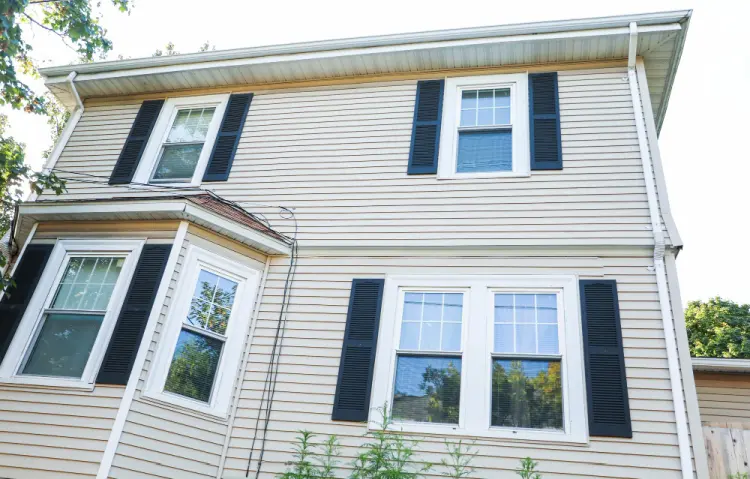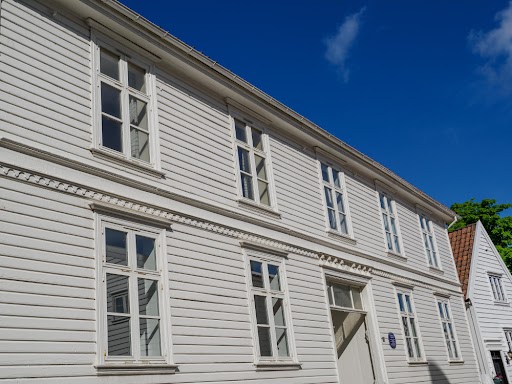
Winter weather can slowly wear down a home’s exterior. Siding is one of the first parts of a house to feel the impact. Cold air, snow, ice, and freezing temperatures place steady pressure on siding for several months. Over time, this pressure leads to cracks, moisture problems, and structural concerns.
There is one simple reason winter causes so many exterior issues. Water expands when it freezes. Even a small amount of moisture trapped behind siding can push outward as it freezes. When this happens again and again throughout the season, siding begins to weaken. This process explains why winter siding damage is such a common problem for homeowners in cold regions.
Many people do not realize the damage has started until spring arrives. By then, small problems may have turned into expensive repairs. Understanding how winter affects siding helps homeowners protect their property and take action before damage spreads.
Why Winter Weather Creates Stress on Siding
Winter conditions are different from other seasons. Cold temperatures remain for long periods, and weather changes often happen quickly. Siding must adjust to these changes over and over again.
When temperatures drop, siding materials shrink. When temperatures rise, those materials expand. This repeated movement causes stress at seams, joints, and fasteners. Over time, cracks may form, and panels may loosen.
Snow and ice add more pressure. Snow can sit against the siding for days or weeks. During warmer hours, the snow melts slightly. At night, it freezes again. This cycle pushes moisture deeper into small openings. Once moisture enters, it freezes and expands.
Wind also plays an important role. Winter winds are often stronger and more frequent. Wind can force snow and moisture behind siding panels. It can also drive debris into the siding surface. All of these factors together explain why siding damage winter after winter is a serious concern.
What Kind of Damage Is Caused by a Winter Storm
Winter storms affect siding in both visible and hidden ways. Some problems appear right after the storm ends. Others take time to show.
Visible damage includes cracked siding panels, broken corners, and loose sections. Ice buildup may push siding out of alignment. Wind may knock panels loose or tear them away from the wall.
Hidden damage often causes more trouble. Water may enter behind siding and soak insulation or wall materials. When this water freezes, it expands and weakens the structure. Over time, this can lead to mold growth, wood rot, and poor insulation performance.
These problems may also increase heating costs. When siding no longer seals the home properly, cold air enters more easily. This makes it harder to keep indoor temperatures stable. Cold-weather home protection starts with keeping siding in good condition.
Which Siding Becomes Brittle in Cold Weather
Not all siding materials respond to cold temperatures the same way. Some materials are more affected by freezing conditions.
Vinyl siding is known to become brittle in extreme cold. As the temperature drops, vinyl loses flexibility. When it is struck by ice, snow, or debris, it can crack or shatter. Older vinyl siding is especially at risk.
Wood siding absorbs moisture. During freezing and thawing cycles, wood expands and contracts. If moisture remains trapped, wood can warp, split, or rot. Paint and protective coatings may also peel during winter.
Fiber cement siding performs better in cold weather, but it still requires proper installation and sealing. Moisture that reaches joints or fasteners can lead to cracking over time. Knowing how each material reacts helps homeowners understand where problems may start.
Early Siding Repair Signs to Look For
Finding problems early can prevent major repairs later. Homeowners should inspect siding before winter, during the season when possible, and again in early spring.
Common siding repair signs include:
- Cracks or splits in siding panels
- Loose or missing siding sections
- Warped or bulging areas on the surface
- Gaps around windows, doors, or trim
- Water stains or damp spots on interior walls near exterior areas
These signs often indicate moisture intrusion or movement behind the siding. Even small changes in appearance can point to larger problems below the surface.
Siding Moisture Problems and Their Impact
Moisture causes most winter siding issues. Once water gets behind siding, it becomes difficult to remove. When that water freezes, it expands and pushes outward.
Siding moisture problems may not be visible right away. Moisture trapped inside walls can lead to mold growth, wood decay, and damaged insulation. These issues affect indoor air quality and energy efficiency.
Moisture damage does not stop when winter ends. Water trapped in wall cavities can continue to cause problems through spring and summer. This is why moisture issues should never be ignored.
How Winter Home Maintenance Helps Reduce Damage
Preventive care is one of the best ways to protect siding during winter. Simple steps taken before and during winter can reduce the risk of damage.
Important winter home maintenance steps include inspecting caulk around windows and doors, keeping gutters clear to prevent ice buildup, and removing heavy snow that rests against siding. Homeowners should also check that downspouts move water away from the foundation.
Tree branches near the house should be trimmed. During winter storms, branches can break and strike siding. Regular inspections after storms also help catch issues early.
These actions help siding perform better and last longer through harsh winter conditions.
Why Professional Inspections Matter
Some siding problems cannot be seen from the outside. Hidden moisture, insulation damage, and structural movement require trained inspection.
If siding panels are loose, cracked in many places, or missing, professional help is recommended. Interior signs such as water stains, mold smells, or cold drafts also suggest deeper issues.
A professional inspection identifies the source of the problem, not just the visible damage. Get a free winter siding inspection today to understand the condition of your siding and address issues early.
Stein Home Solutions provides siding inspections and repairs designed for winter conditions. Their experience with cold climate homes helps ensure that repairs address long-term protection, not temporary fixes.
Why Delaying Repairs Can Be Risky
Small siding problems often grow worse when ignored. Cracks widen. Moisture spreads. Structural materials weaken over time.
Delaying repairs can lead to higher costs later. Mold remediation, insulation replacement, and structural repairs are more expensive than early siding fixes. Timely repairs also help maintain energy efficiency and indoor comfort.
Addressing winter siding damage early helps homeowners avoid emergency repairs and unexpected expenses.
Long Term Effects of Repeated Winter Exposure
Homes that experience winter damage year after year may see a shorter lifespan for siding materials. Repeated freeze and thaw cycles weaken protective layers. Moisture exposure increases the risk of rot and corrosion.
Over time, repeated damage can affect the home’s structure and value. Regular maintenance and timely repairs reduce these risks and support long-term durability.
Conclusion
Winter weather places steady and unavoidable pressure on home siding. Cold temperatures, snow, ice, wind, and moisture all work together to weaken exterior materials. Over time, this leads to cracking, moisture intrusion, and structural damage if left unaddressed.
Understanding how winter affects siding helps homeowners take action early. Regular inspections, simple maintenance, and timely repairs play an important role in protecting the home. Protect Your Home Before Winter Damage Gets Worse by paying attention to warning signs and addressing issues as soon as they appear. With proper care and professional support from Stein Home Solutions, siding can continue to protect your home through every winter season.
Frequently Asked Questions
1. How can I tell if my siding was damaged during winter ?
Look for cracks, loose panels, warped areas, and interior wall stains near exterior walls. These signs often indicate moisture or movement caused by freezing temperatures.
2. Can winter siding damage get worse after winter ends ?
Yes. Moisture trapped behind siding can continue to cause rot and mold after temperatures rise. Spring inspections are important.
3. Is winter damage always visible on the outside ?
No. Many problems start behind the siding. Interior drafts, stains, or higher heating bills may indicate hidden damage.
4. How often should siding be inspected in cold climates ?
Siding should be inspected before winter, after major storms, and again in early spring to catch freeze and thaw-related issues.
5. When should I contact a professional for siding repair ?
If damage appears widespread or moisture signs are present, professional inspection is recommended. Stein Home Solutions can assess the condition and recommend proper repairs.