Roofs are designed to protect homes from weather, but climate plays a major role in determining how long a roof will actually last. In Wisconsin, where homes face heavy snow, freezing temperatures, and seasonal storms, roofing materials often experience more stress than in milder regions.
The average roof life Wisconsin homeowners experience depends largely on the material used and the quality of installation. According to industry data from the National Association of Home Builders, asphalt shingle roofs typically last 20 to 30 years, although harsh weather conditions can shorten or extend that timeline.
Because Wisconsin experiences repeated freeze and thaw cycles, ice dams, and strong winds, homeowners should monitor their roofs regularly. Understanding roof lifespan Wisconsin homeowners can expect helps prevent unexpected damage and allows homeowners to plan for replacement before major problems occur.
This guide explains:
- The average roof life Wisconsin homes typically see
- The asphalt shingles Wisconsin lifespan
- Metal roof Wisconsin durability
- Signs that it may be Wisconsin roof replacement time
Average Roof Lifespan Wisconsin Homeowners Experience
Most residential roofs last between 20 and 50 years, depending on the materials used and the level of maintenance.
However, Wisconsin’s climate can influence how long a roof lasts because roofing systems are exposed to:
Heavy snow accumulation
Seasonal storms with strong winds
Repeated freeze and thaw cycles
Ice dam formation
Moisture and water infiltration
Typical roof lifespan Wisconsin homeowners see includes:
Asphalt shingles
20 to 30 years
Architectural shingles
25 to 30 years
Metal roofing
40 to 70 years
Even high quality roofing systems eventually deteriorate after decades of exposure to weather conditions.
Regular inspections are important to ensure the roof continues to protect the home properly.
Contractors such as Stein Home Solutions understand how Wisconsin weather affects roofing systems and can help evaluate the condition of a roof before major damage develops.
Asphalt Shingles Wisconsin Lifespan
Asphalt shingles remain the most common roofing material in Wisconsin because they provide a balance of affordability and durability.
The typical asphalt shingles Wisconsin lifespan ranges between 20 and 30 years under normal conditions.
However, several environmental factors can influence how long asphalt shingles last.
Common causes of wear include:
Heavy snow loads that place weight on the roof
Ice dams that trap moisture beneath shingles
Large temperature swings causing expansion and contraction
Severe storms with high winds
Over time, homeowners may notice warning signs such as:
Curling or cracked shingles
Granule loss on shingles
Minor roof leaks
Shingles missing after storms
If these issues begin to appear, it is a good time to schedule a professional roof inspection.
Companies like Stein Home Solutions help homeowners determine whether repairs are sufficient or if replacement may soon be necessary.
Metal Roof Wisconsin Durability
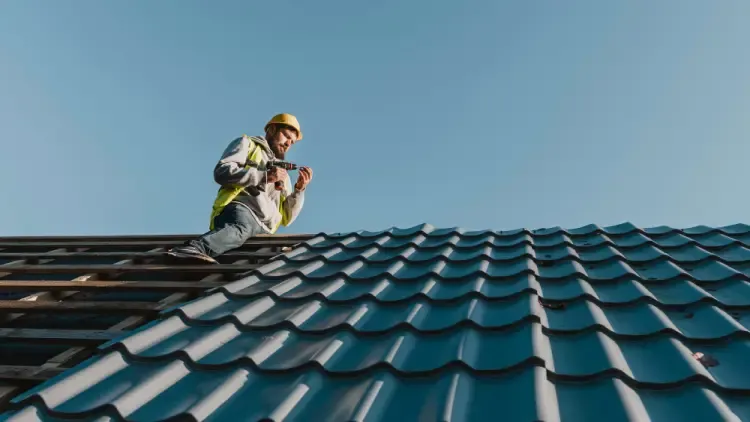
Metal roofing has grown in popularity throughout Wisconsin because it performs well in cold climates and severe weather conditions.
The typical metal roof Wisconsin durability ranges from 40 to 70 years, making it one of the longest lasting roofing options available.
Metal roofs offer several advantages in colder climates:
Snow easily slides off the smooth surface
Metal is resistant to freeze thaw damage
Strong wind resistance compared to many shingles
Long service life reduces future replacement needs
Because of these benefits, many homeowners view metal roofing as a long term investment.
However, proper installation is critical. Poor ventilation, flashing issues, or improper installation can reduce the performance and lifespan of any roofing system.
Professional contractors such as Stein Home Solutions help homeowners determine whether metal roofing is a good fit based on their home design, budget, and long term plans.
What Affects Roof Lifespan in Wisconsin?
Roof material is only one factor that determines how long a roof will last. Wisconsin’s environment places additional stress on roofing systems.
Several environmental factors influence roof lifespan Wisconsin homeowners experience.
Freeze Thaw Cycles
Temperatures in Wisconsin often fluctuate above and below freezing. Snow can melt during warmer daytime temperatures and refreeze overnight.
When water freezes it expands, which can damage roofing materials over time.
Ice Dams
Ice dams form when melting snow refreezes along the edges of the roof. This trapped ice forces water under shingles and can lead to leaks and structural damage.
Heavy Snow and Moisture
Winter snowfall can place significant weight on roofing structures. Over time this added stress can contribute to faster deterioration.
Storm Damage
Strong winds and storms may loosen shingles, damage flashing, or expose underlayment materials.
Because of these conditions, roofs in Wisconsin sometimes reach replacement time sooner than roofs in warmer climates.
Signs It May Be Wisconsin Roof Replacement Time
Even well installed roofs eventually reach the end of their lifespan. Recognizing the warning signs early can help prevent costly structural damage.
Common signs that it may be Wisconsin roof replacement time include:
Missing or broken shingles
Roof sagging in certain areas
Water stains in the attic or ceilings
Recurring roof leaks after storms
Curling shingles or heavy granule loss
Once a roof approaches 20 years of age, inspections should become more frequent.
A roofing professional can determine whether repairs are still possible or if replacement is the safer option.
Homeowners in Wisconsin often contact Stein Home Solutions for inspections and guidance when they suspect their roof may need replacement.
How to Extend Roof Lifespan in Wisconsin
While homeowners cannot control the weather, they can take steps to extend the life of their roof.
Recommended maintenance practices include:
Schedule regular professional roof inspections
Remove leaves and debris from the roof
Keep gutters clean to prevent water buildup
Trim tree branches that hang over the roof
Ensure proper attic ventilation
Routine maintenance allows small issues to be addressed early before they develop into major structural problems.
Roofing contractors familiar with Wisconsin conditions, such as Stein Home Solutions, offer inspections and maintenance plans designed specifically for Midwest weather.
Conclusion
Wisconsin roofs face some of the toughest weather conditions in the country. Snow accumulation, freezing temperatures, and seasonal storms all contribute to roof wear over time.
The average roof life Wisconsin homeowners experience is typically 20 to 30 years for asphalt shingles, while metal roofs may last 40 to 70 years.
Regular inspections, proper ventilation, and timely repairs can extend roof lifespan. However, once materials begin to deteriorate significantly, replacement becomes necessary to protect the home.
If you are unsure about your roof’s condition or believe it may be Wisconsin roof replacement time, consulting with a professional contractor is the best next step.
Stein Home Solutions provides roofing inspections and replacement services designed specifically for Wisconsin homes and climate conditions.
Frequently Asked Questions
1. How long do roofs last in Wisconsin?
Most roofs in Wisconsin last between 20 and 30 years, depending on roofing materials, installation quality, and exposure to severe weather.
2. What is the average roof life Wisconsin homeowners experience?
The average roof life Wisconsin homes experience is about 20 to 30 years for asphalt shingles, while metal roofing may last up to 70 years.
3. How much should a new roof cost in Wisconsin?
Most homeowners pay between $8,000 and $20,000 depending on roof size, materials, and installation complexity.
4. What is the most expensive part of replacing a roof?
The most expensive components are typically labor and roofing materials, especially when structural repairs or decking replacement is required.
5. What is the best roofing material for cold climates?
Metal roofing is often considered the best option for cold climates because it sheds snow easily and withstands freeze thaw cycles better than many traditional materials.