Objective
The main purpose of this blog is to help homeowners understand how roofing materials affect indoor temperature during extreme weather conditions. It explains how the right roofing choice can improve comfort, reduce energy use, and support long-term roof performance. This guide also shows how climate, insulation, and proper installation work together to help a roof perform better throughout the year.
Many homeowners focus only on appearance or cost when choosing a roof. However, temperature control is just as important. A roof that manages heat well helps protect the home, reduces stress on heating and cooling systems, and improves daily comfort.
Key Takeaways
- Roofing materials play a major role in controlling indoor temperature.
- Some roofing materials reflect heat, while others help retain warmth.
- Energy-efficient roofing supports stable indoor comfort in all seasons.
- Roofing materials with longer lifespans often reduce long-term costs.
- Insulation and proper installation are essential for roof performance.
Table of Contents
- Introduction
- How Roofing Materials Affect Indoor Temperature
- Roofing Materials That Perform Well in Extreme Weather
- Sustainable Roofing Materials and Energy Use
- Which Roofing Material Works Best in Hot Climates?
- What Is the Cheapest and Longest Lasting Roof?
- Why Insulation and Installation Are Important
- Common Mistakes Homeowners Make When Choosing Roofing
- Frequently Asked Questions
- Conclusion and Call to Action
Introduction
The roof is one of the most important parts of a home. It protects the structure from sun, wind, rain, and snow. At the same time, it plays a key role in controlling indoor temperature. When a roof absorbs too much heat, indoor spaces become warmer. When a roof loses heat too quickly, indoor spaces become colder.
Roof surfaces exposed to direct sunlight can become extremely hot. Reflective roofing systems, however, remain much cooler and allow less heat to pass into the home.
Because of this, choosing the right roofing materials for temperature control is important, especially in areas that experience strong heat, cold winters, or both. A roof that manages temperature well supports comfort and energy efficiency throughout the year.
How Roofing Materials Affect Indoor Temperature
A roof acts as a barrier between outdoor conditions and indoor living spaces. The type of roofing material used affects how much heat enters or leaves the home.
First, roofing materials react differently to sunlight. Some materials absorb heat quickly, while others reflect sunlight away. Second, insulation beneath the roof slows down the movement of heat. Third, ventilation allows warm air to escape from the attic.
When these elements work together, indoor temperatures remain more stable. As a result, heating and cooling systems do not need to work as hard. This leads to better comfort and lower energy use over time.
In contrast, poor material choices or missing insulation can cause uneven temperatures, higher energy bills, and discomfort inside the home.
Roofing Materials That Perform Well in Extreme Weather
Not all roofing materials perform the same in extreme weather. Some handle heat better, while others provide better protection in cold conditions.
Metal Roofing
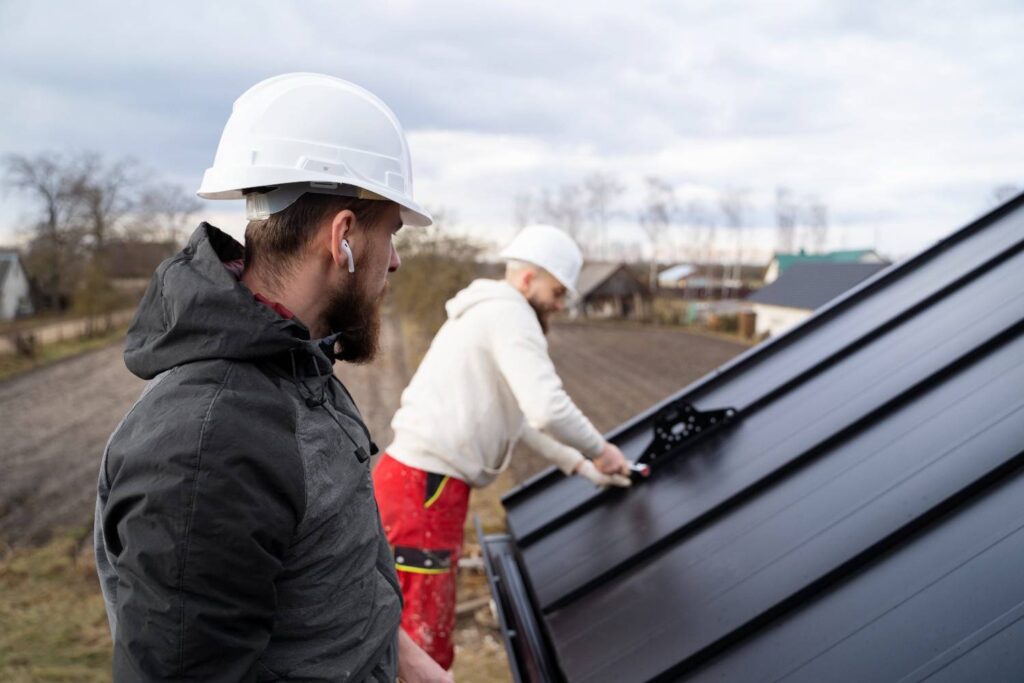
Metal roofing is widely known for its ability to reflect sunlight. Because of this, it helps reduce heat buildup during warm weather. Homes with metal roofs often stay cooler compared to homes with darker or heat-absorbing materials.
In addition, metal roofing insulation plays an important role in temperature control. Insulation slows down heat transfer, which helps keep indoor spaces comfortable in both summer and winter.
Metal roofing also lasts a long time. It resists damage from wind, snow, and heavy rain. When installed correctly, it requires less maintenance and offers long-term performance.
Asphalt Shingles
Asphalt shingles are one of the most common roofing materials used in residential homes. Homeowners often choose them because they are affordable and easy to install.
Traditional asphalt shingles absorb heat. However, newer designs reflect more sunlight and improve temperature control. Light-colored shingles and reflective shingles help reduce heat absorption.
While asphalt shingles usually have a shorter lifespan than metal roofing, they can still perform well when paired with proper insulation and ventilation.
Clay and Concrete Tiles
Clay and concrete tiles are dense materials that absorb heat slowly. Instead of heating up quickly, they store heat and release it over time. This helps prevent sudden temperature changes inside the home.
These materials are often used in warm regions because they help maintain more stable indoor temperatures. They are also strong and durable, making them suitable for harsh weather.
However, because clay and concrete tiles are heavy, some homes may need additional structural support before installation.
Sustainable Roofing Materials and Energy Use
Sustainable roofing materials focus on long-term performance and reduced energy use. These materials are designed to improve temperature control while limiting environmental impact.
Examples include reflective roof coatings, green roofing systems, and recycled roofing materials. Reflective coatings reduce heat absorption. Green roofs provide natural insulation and shade. Recycled materials reduce waste while still offering reliable performance.
Over time, sustainable roofing materials help lower energy use and improve indoor comfort. They also support homeowners who want environmentally responsible roofing solutions.
Which Roofing Material Works Best in Hot Climates?
In hot climates, roofing materials that reflect sunlight work best. Reflective metal roofing is often one of the most effective choices for managing heat.
When insulation is added, heat transfer is reduced even further. This keeps indoor spaces cooler and reduces the need for air conditioning.
Choosing the right roofing materials for temperature control helps protect homes from heat buildup, reduces energy costs, and improves daily comfort.
What Is the Cheapest and Longest Lasting Roof?
The lowest upfront roofing option is usually asphalt shingles. They cost less to install and are easy to replace. Because of this, many homeowners choose asphalt when working with a limited budget.
However, asphalt shingles do not last as long as other materials. Metal roofing costs more at the beginning, but it lasts much longer and requires fewer repairs over time.
When long-term costs are considered, metal roofing often becomes the more cost-effective option due to its durability and reduced maintenance needs.
Why Insulation and Installation Are Important
Roof performance depends on more than just the roofing material. Insulation and installation quality are equally important.
Insulation slows down heat movement through the roof. Ventilation allows warm air to escape from the attic. Together, these elements help maintain stable indoor temperatures during both hot and cold seasons.
Poor installation can reduce the effectiveness of even the best roofing materials. This is why professional installation matters. Stein Home Solutions carefully reviews roofing systems to ensure materials, insulation, and airflow work together properly.
Common Mistakes Homeowners Make When Choosing Roofing
Many homeowners make decisions based only on appearance or cost. This often leads to problems later.
Some common mistakes include choosing dark roofing materials in hot climates, ignoring insulation needs, or skipping proper ventilation. Others focus on short-term savings instead of long-term performance.
Avoiding these mistakes helps ensure the roof provides comfort, durability, and energy efficiency for many years.
Conclusion
Choosing the right roofing system is an important step in protecting a home from extreme temperatures. The right materials, insulation, and installation work together to improve comfort and energy efficiency.
Find the best roofing materials for Extreme Weather by working with experienced professionals.
Upgrade to Energy-Efficient and Long-Lasting Roofing Today with support from Stein Home Solutions. Schedule a professional inspection to choose a roofing system designed for comfort, durability, and long-term performance.
Frequently Asked Questions
1. How do roofing materials affect indoor temperature?
Roofing materials control how much heat enters or leaves a home. Reflective materials reduce heat gain, while insulation slows heat movement. Together, they help maintain stable indoor temperatures throughout the year.
2. Is metal roofing suitable for both hot and cold climates?
Yes. Metal roofing reflects heat during warm months and works well with insulation during cold months. This makes it suitable for many different climates.
3. Do sustainable roofing materials help with temperature control?
Yes. Sustainable roofing materials such as reflective coatings and green roofs reduce heat absorption and improve insulation. This helps maintain better indoor temperature control.
4. How important is insulation compared to roofing material?
Insulation is very important. Even high-quality roofing materials will not perform well without proper insulation and ventilation.
5. How can homeowners choose the right roofing system?
The right roofing system depends on climate, budget, roof design, and long-term goals. A professional inspection helps identify the best option for each home.