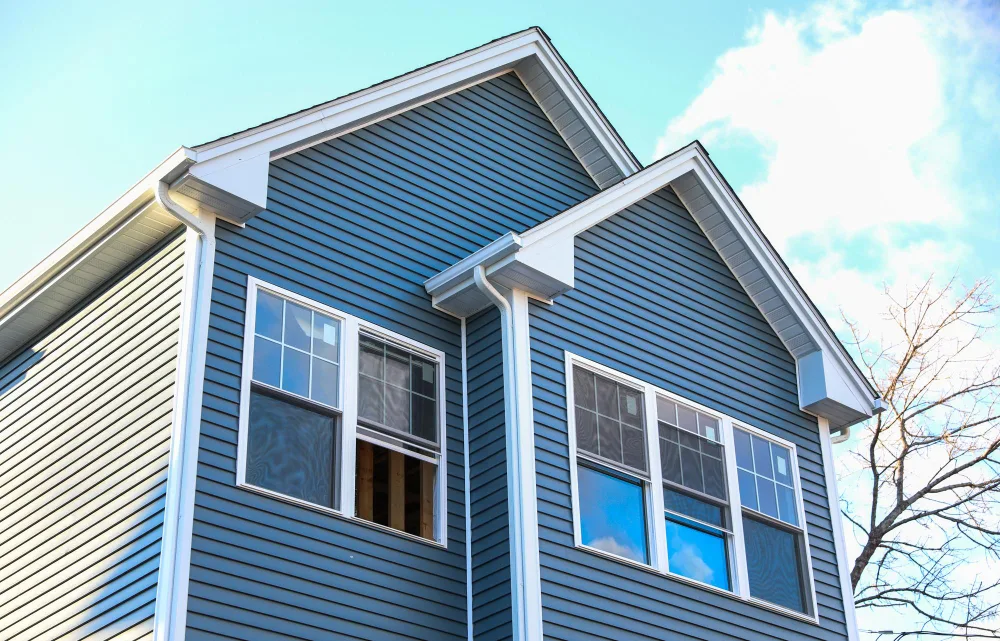
Some gutter problems can be handled with a targeted repair. The harder question is when repeated or widespread problems mean another patch may no longer be enough. For Wisconsin homeowners, that decision often comes down to the pattern of damage: how much of the system is affected, whether the same issue keeps returning, and whether the gutters, fascia, downspouts, and drainage path are still working together as intended.
Stein Home Solutions has served Wisconsin homeowners since 1995 and provides gutter repair, replacement, seamless gutter installation, and downspout services. The goal is not to replace every damaged gutter, but to determine whether the problem is isolated or whether the overall system deserves a larger solution.
7 Signs a Gutter Problem May Be More Than a Simple Repair
One defect does not automatically mean the entire gutter system needs replacement. A loose hanger, small isolated leak, or limited damaged area may still be repairable. Replacement becomes more worth evaluating when problems affect multiple sections, continue returning after repair, or involve the gutter, fascia, and drainage path together.
As you review the seven signs below, pay attention not just to what is damaged, but also to how widespread the problem is and whether previous repairs have held. Contact the team to arrange a consultation about your gutter concerns.
1. Gutters Keep Pulling Away From the House
Gaps between the gutter and fascia are a clear warning sign. You may also notice sections sitting lower than nearby areas.
Gutters pulling away from the house can result from loose hangers, debris, poor alignment, or prolonged water weight. Damaged fascia can also affect how securely the gutter stays attached.
Check for:
- Loose or missing fasteners
- Damaged fascia boards
- Bent gutter sections
- Long separated sections
- Water collecting inside the gutter
A small separation may need new fasteners or supports. However, repeated movement across several sections can be one of the signs of gutter failure that needs further assessment.
2. Cracks Keep Returning
An isolated crack may sometimes be repairable when the surrounding gutter material remains sound. The situation changes when cracks appear in several locations, continue growing, or return after previous repairs.
Look around seams, fasteners, corners, and joints, and pay attention to whether earlier repairs are still holding.
Replacement may be worth evaluating when:
● Cracks appear across multiple sections
● Splits continue to spread
● Previous repairs repeatedly fail
● The material feels brittle or weakened
● Similar damage appears along more than one gutter run
The important distinction is whether the problem is limited to one repairable area or reflects deterioration across a larger portion of the system.
3. Rust Covers Large Areas
Rust shows that a metal gutter is corroding, but the extent of the corrosion matters more than the presence of a small discolored area. Light surface corrosion is different from flaking metal, holes, weakened seams, or deterioration affecting several sections.
If corrosion is widespread, repeatedly patching individual areas may not address the condition of the gutter system as a whole.
Check corners, joints, fasteners, and the underside of the gutter. These areas can show corrosion that is less visible from the ground.
Small surface areas may be repairable. Widespread corrosion can be one of the signs that makes replacement worth evaluating.
4. Gutters Sag Between Hangers
Gutters need an appropriate pitch to move water toward the downspouts. Sagging can interfere with that flow and allow water to collect in the channel. You may also find debris gathering in the low area. During rainfall, water may overflow rather than moving efficiently toward the downspout.
Whether sagging can be repaired depends on what is causing it. A loose hanger or isolated support problem may be repairable, while sagging across a longer run, bent gutter material, damaged fascia, or repeated standing water may point to a broader issue.
Possible causes include:
- Loose or widely spaced hangers
- Excess debris
- Damaged fascia
- Bent gutter material
- Poor original installation
- Repeated water loading
A short sag may respond to stronger supports. Widespread sagging deserves a full system assessment.
5. Water Damage Appears Behind the Gutters
Water should move from the roof into the gutter and through the downspout. When it escapes behind the gutter, nearby materials can become damp. Staining, peeling finishes, softened wood, or moisture around the roof edge may indicate water damage behind gutters.
The gutter may have pulled away from the fascia. Poor alignment can also allow water to reach areas that should remain dry. Do not treat the visible stain as the whole problem. Check the fascia, soffit, siding, and roof edge as well.
If the same leak returns after repair, the gutter section may need replacement rather than another patch. This can also be among the signs that your gutter may need replacement.
6. Paint Near the Roofline Starts Peeling
Peeling paint can be the result of a number of different things. One possible reason is repeated exposure to moisture. Overflowing or leaking gutters can cause water to flow over the fascia and other nearby exterior surfaces. This can eventually lead to the finish becoming stained or peeling.
Check for:
- Peeling paint below gutter joints
- Dark fascia staining
- Damp wood
- Water marks below the roof edge
- Overflow during rainfall
Peeling paint alone does not prove that gutters are failing. However, it becomes more significant when it appears with other signs as well. If the same area becomes wet after rainfall, investigate the drainage path before repainting.
7. Water Pools Near the Foundation
Water pooling near the foundation can point to a drainage problem. However, gutters are not always the only possible source.
Blocked gutters can overflow. Downspouts may also release water too close to the house. Poor ground grading can contribute to the same issue.
If pooling appears, check:
- Whether gutters are overflowing
- Whether downspouts are connected properly
- Whether extensions direct water away
- Whether the ground slopes toward the house
- Whether gutters show visible damage
Persistent pooling deserves attention because repeated moisture around the foundation can become a wider maintenance concern.
Repair vs. Replacement: Look at the Pattern, Extent, and Repair History
The most useful distinction is whether the gutter problem is localized or system-wide. One small leak, loose hanger, or isolated crack may be repairable when the surrounding material remains sound and water is still moving through the system correctly.
Replacement becomes more worth evaluating when several types of failure appear together or when the same problems continue returning after repair. Look at:
● How many gutter sections are affected
● Whether leaks or cracks return after repair
● Whether the gutters still maintain their shape and drainage path
● Whether corrosion or material deterioration is widespread
● Whether the fascia and attachment points remain sound
● Whether downspouts are moving water away from the home
● Whether standing water remains in multiple sections
● How frequently the system has required repair
Repair history matters because a recurring problem may tell you more than one isolated defect. A gutter system with one loose hanger is different from one showing repeated separation, sagging, leaks, and deterioration across several runs.
What a Full Gutter Assessment Should Consider
A replacement decision should look beyond one visible crack or rusty area. The gutter runs, fascia, attachment points, downspouts, roof edge, and drainage path all play a role in how the system performs.
Peeling paint, staining, or water near the foundation should not automatically be treated as proof that the gutters need replacement. Those conditions can have more than one cause. They become more meaningful when they appear alongside overflowing gutters, leaks, separation, standing water, or downspouts that are not carrying water where intended.
The key homeowner question is not simply, “Are my gutters old?” It is, “Is the system still moving water where it should, and can the damaged areas be corrected without repeatedly repairing the same underlying problem?”
How Different Gutter Problems Affect the Repair-or-Replace Decision
The same visible symptom can lead to a different recommendation depending on how widespread it is and what is happening around it. That is why the repair-or-replace decision should be based on patterns rather than one sign alone.
One loose or separated section: If the gutter material is still sound and the problem is limited to a hanger or attachment point, a targeted repair may be possible. Separation affecting several areas, recurring after repair, or involving damaged fascia deserves a broader assessment.
One isolated crack or leak: A limited defect in otherwise sound material may be repairable. Multiple cracks, repeated leaks, or repairs that continually fail suggest that the condition of a larger portion of the gutter should be evaluated.
Surface corrosion versus widespread deterioration: A small area of surface corrosion does not automatically mean replacement. Holes, flaking material, weakened seams, or corrosion affecting several gutter sections make the overall condition of the system more important.
Sagging in one area versus along an entire run: An isolated support problem may be repairable. Longer sagging sections, recurring standing water, bent material, or fascia problems can indicate that more than one component needs attention.
Water stains, peeling finishes, or pooling near the home: These conditions do not automatically prove that the gutters need replacement. Instead, they should be considered alongside gutter overflow, leaks, downspout performance, fascia condition, and the path water takes away from the house.
Looking at these situations side by side helps homeowners distinguish between a repairable defect and a pattern that may justify discussing replacement.
What to Expect From a Gutter Assessment
A useful gutter assessment should look at more than the visibly damaged section. The condition of the gutter runs, attachment points, fascia, roof edge, downspouts, and discharge areas can help show whether the problem is isolated or part of a larger drainage issue.
The assessment should consider whether gutters remain securely attached, whether they maintain an appropriate path toward the downspouts, whether water is standing in sections of the system, and whether leaks or overflow are affecting nearby fascia or siding.
Downspouts matter just as much as the gutter troughs. A gutter may appear intact while a clogged, disconnected, or poorly positioned downspout contributes to overflow or pooling near the home. Looking at the drainage path from the roof edge through the final discharge point gives a more complete picture of how the system is performing.
Wisconsin weather can make existing weak points easier to notice. Heavy rain, snowmelt, ice, and seasonal temperature changes can expose loose attachments, standing water, leaks, or drainage problems that may be less obvious during dry weather.
Once the complete system has been reviewed, the homeowner can compare a targeted repair with replacement based on the extent of the damage, repair history, and condition of the surrounding components.
When Weather Helps Reveal a Recurring Gutter Problem
Heavy rain and snowmelt can make gutter problems easier to evaluate because homeowners can see how water actually moves through the system. Watch for sections that repeatedly overflow, hold standing water, leak behind the gutter, or fail to move water toward the downspouts.
After significant weather, compare what you see with previous repairs or problem areas. If the same section repeatedly leaks, separates, or sags despite earlier work, that repair history becomes useful information when deciding whether another repair is reasonable or replacement should be considered.
Gutter Services We Offer:
- Seamless gutter installation
● Gutter guard systems
● Gutter repair and replacement
● Downspout installation
● Custom color matching
If your gutter system shows recurring damage, a professional assessment can help clarify the available options. The condition of the gutters, fascia, and downspouts can then be considered together.
Make the Right Gutter Decision
Gutters can develop problems gradually. A small leak may need a simple repair, while widespread cracks, rust, sagging, or separation may point toward replacement.
The most useful approach is to look for patterns. Check the gutters, fascia, downspouts, roof edge, and areas where water collects. If you’re seeing several signs of gutter failure, consider having the drainage system assessed before choosing the next step.
For homeowners considering gutter replacement services, Stein Home Solutions can review the existing system and discuss suitable options.
FAQs
1. What are the main signs of gutter failure?
Look for recurring leaks, widespread corrosion, cracks, sagging, separation, or overflow. When several problems appear together, a broader assessment can help determine whether a targeted repair is still appropriate or whether replacement should be considered.
2. How can I check gutters after heavy rain?
Check for standing water, overflows, leaks, and water running behind the gutter. Then make sure that downspouts direct water away from the home.
3. Can small gutter cracks still be repaired?
Yes, an isolated crack in sound material may be repairable. Multiple cracks or repeated leaks require a closer review of the gutter’s overall condition.
4. Why does water collect near my foundation?
Gutter overflow, poorly positioned downspouts, and ground grading can contribute. Trace the water path to identify where drainage is failing.
5. When should I consider replacing my gutters?
Consider an evaluation if several gutter sections appear rusted, cracked, sagging, or bowed. A history of repeated repairs may also be a reason to evaluate whether replacement makes more sense.