Wisconsin winters are tough on homes, but they are especially demanding on roofs. Long stretches of freezing temperatures, heavy snow, sudden thaws, and rapid temperature swings create conditions that slowly wear roofing systems down. While storms often get the blame, many roof failures in Wisconsin actually stem from temperature-related stress that builds up season after season.
Understanding Wisconsin roofing temperature damage is essential for homeowners who want to avoid leaks, premature roof replacement, and costly interior repairs. Temperature changes cause roofing materials to expand and contract repeatedly. Over time, this movement weakens shingles, flashing, fasteners, and sealants. Once small openings form, moisture enters the roof system, freezes, expands, and causes even more damage.
The good news is that winter roof damage is not inevitable. With the right materials, proper attic insulation and ventilation, and a proactive inspection schedule, you can significantly reduce winter-related roof problems. This guide explains how temperature changes affect roofing materials, what signs of damage to watch for, and how Wisconsin homeowners can protect their roofs year after year.
Why Wisconsin Winters Are So Hard on Roofs
Wisconsin’s climate creates one of the most challenging environments for roofing systems in the Midwest. Winter temperatures often fluctuate around the freezing mark, sometimes rising above 32°F during the day and dropping well below it at night. These frequent shifts trigger
freeze thaw cycles that place constant stress on roofs.
When temperatures rise, roofing materials warm and expand. When temperatures fall, they cool and contract. This ongoing movement weakens the materials over time. Nails can loosen, sealants can crack, and flashing can pull away from seams. Once these vulnerabilities develop, water has an easy path into the roof system.
Snow and ice add another layer of stress. While roofs are designed to support snow loads, long periods of heavy accumulation increase strain on the structure. Combined with expansion and contraction, this weight can shorten the roof’s lifespan if issues are not addressed early.
Because of these conditions, Wisconsin winter roof damage often occurs gradually rather than during a single storm.
How Temperature Changes Affect Roofing Materials
All roofing materials respond to temperature changes, but they do not all respond in the same way. Understanding how cold weather affects different components of your roof helps explain why damage develops over time.
When temperatures drop:
- Shingles become more brittle
- Sealants lose flexibility
- Nails and fasteners may loosen
- Flashing can stiffen and pull away
When temperatures rise again:
- Materials expand
- Existing cracks widen
- Moisture spreads deeper into the system
This ongoing cycle of roof expansion and contraction is one of the leading causes of premature roof failure in cold climates. Even small gaps can allow water intrusion. When that water freezes, it expands and forces cracks to grow larger, compounding the damage.
Common Signs of Wisconsin Winter Roof Damage
Winter roof damage often starts out of sight, but there are warning signs homeowners should never ignore. Catching problems early makes repairs simpler and far less expensive.
Common signs include:
- Cracked, missing, or loose shingles
- Curling or lifting shingle edges
- Ice dams forming along roof edges
- Water stains on ceilings or walls
- Dripping water during thaws
- Sagging roof lines or uneven surfaces
When temperatures drop:
Shingles become more brittle
Sealants lose flexibility
Nails and fasteners may loosen
Flashing can stiffen and pull awayWhen temperatures drop:
Flashing can stiffen and pull away
Shingles become more brittle
Sealants lose flexibility
Nails and fasteners may loosen
These symptoms may appear slowly, which is why routine inspections are so important in Wisconsin’s climate.
The Role of Ice Dams in Temperature-Related Roof Damage
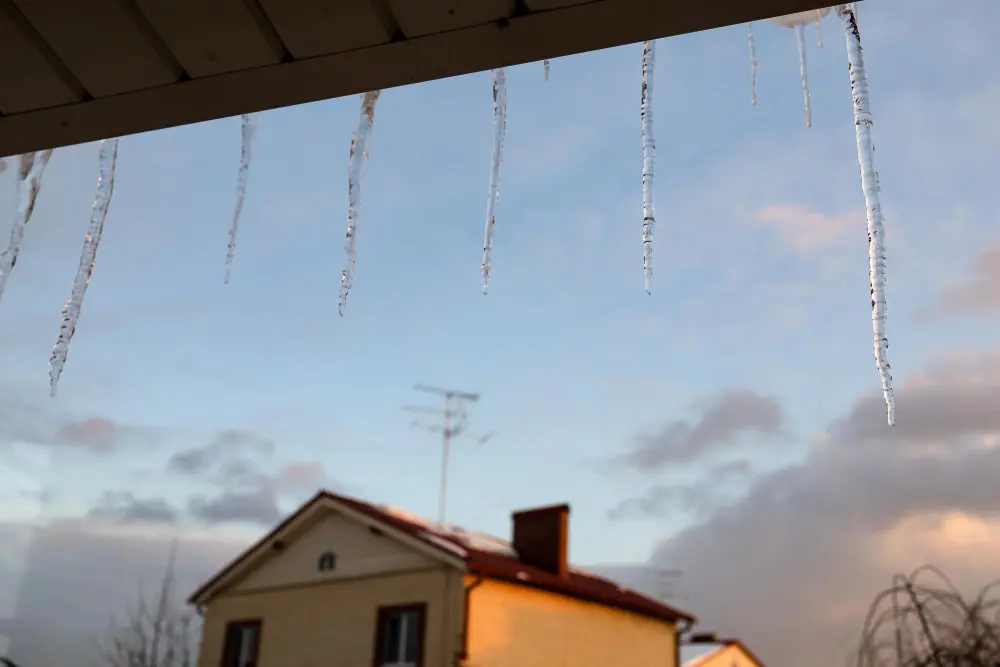
Ice dams are one of the clearest indicators that temperature control in your roof system is failing. They form when warm air escapes into the attic, heating the roof deck and melting snow from underneath. The melted water flows downward and refreezes at the colder roof edges.
As the ice dam grows, it blocks proper drainage. Water pools behind the ice and works its way under shingles, even if the shingles themselves are not damaged. This leads to leaks, rotted decking, and interior water damage.
Ice dams are a major contributor to Wisconsin roofing temperature damage and are closely tied to attic insulation and ventilation problems.
Why Attic Insulation and Ventilation Matter
A properly insulated and ventilated attic helps keep roof temperatures consistent throughout winter. Consistency is key to preventing damage caused by freeze–thaw cycles.
Good attic insulation and ventilation:
- Keep warm air inside your living space
- Reduce heat loss through the roof
- Prevent uneven snow melting
- Protect shingles and roof decking
- Reduce moisture buildup
Poor attic insulation and ventilation allow heat to escape, which melts roof snow and leads to ice dams and moisture problems. These issues are a major cause of roof damage in cold climates.
Without addressing the attic, even high-quality roofing materials can fail earlier than expected.
Roofing Materials and Cold Weather Performance
Not all roofing materials perform equally in cold climates. Choosing materials designed to handle temperature swings makes a significant difference in long-term durability.
Roofing Materials Best for Wisconsin Winters
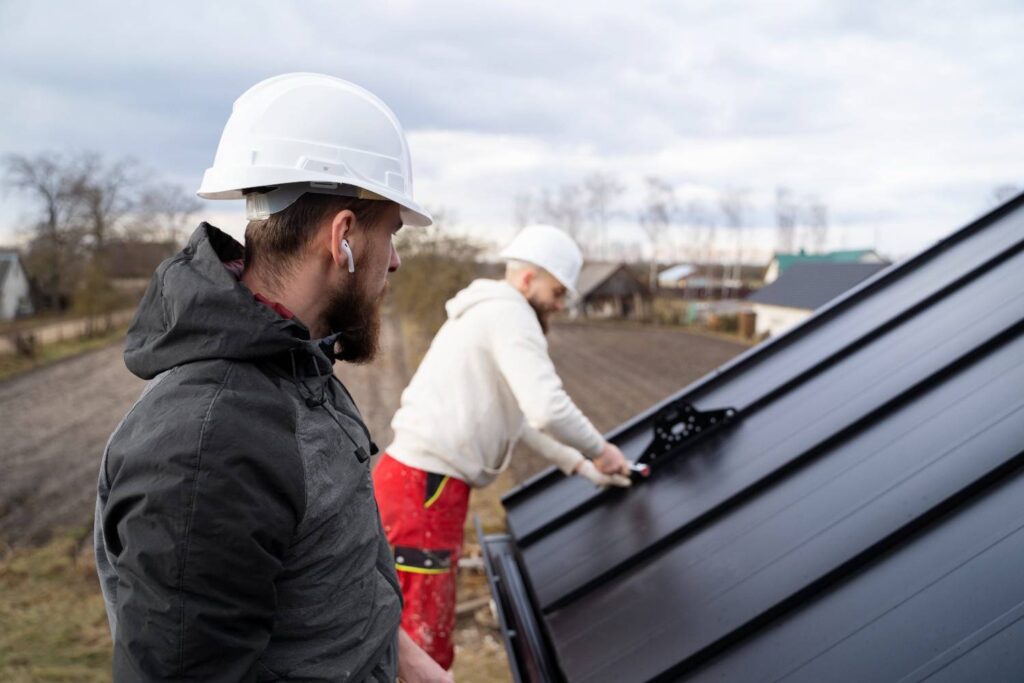
Metal roofing
Metal roofs handle snow exceptionally well. Snow slides off more easily, reducing ice buildup. Metal also tolerates expansion and contraction better than many traditional materials.
Architectural shingles
Thicker and more durable than standard asphalt shingles, architectural shingles resist cracking and curling in cold temperatures.
Synthetic roofing materials
Designed for flexibility, synthetic materials perform well in extreme temperature conditions and are less prone to cracking during cold snaps.
Understanding roofing materials cold weather performance helps homeowners make informed decisions when repairing or replacing a roof.
What Temperature Range Damages Roofs the Most?
The most damaging temperature range for roofs is when daytime temperatures rise above freezing and nighttime temperatures drop below freezing. This range is common in Wisconsin from late fall through early spring.
During these periods:
- Snow melts during the day
- Water enters small cracks and seams
- Temperatures drop overnight
- Water freezes and expands
- Cracks grow larger
Repeated freeze–thaw cycles are responsible for much of the temperature-related roof damage seen across Wisconsin each year.
The Importance of Seasonal Roof Inspection in Wisconsin
A seasonal roof inspection in Wisconsin is one of the most effective ways to prevent major damage. Inspections allow professionals to identify small issues before they escalate into leaks or structural problems.
Roof inspections are recommended:
- Before winter begins
- After winter ends
- After major storms or heavy snowfall
During an inspection, professionals look for:
- Shingle and flashing damage
- Gaps around vents and chimneys
- Early signs of leaks
- Gutter and drainage issues
- Attic-related concerns
Early repairs protect the roof system and help avoid emergency situations during winter.
How to Prevent Roof Damage from Winter Temperature Changes
Preventing winter roof damage starts with routine care and attention to detail. Small steps taken early can save thousands in repair costs later.
Simple Prevention Steps
- Improve attic insulation
- Ensure proper attic ventilation
- Seal air leaks between attic and living space
- Clean gutters before winter
- Remove heavy snow buildup safely
- Repair minor roof issues promptly
These steps reduce stress caused by roof expansion and contraction and help prevent moisture from entering your home.
What Type of Roof Is Best for Wisconsin Winters?
The best roofs for Wisconsin winters are designed to manage snow loads, resist moisture, and tolerate frequent temperature changes.
Metal roofing offers excellent performance and longevity. Architectural shingles provide a durable and cost-effective option. Synthetic materials offer flexibility and resistance to cracking.
Choosing the right roof system reduces the risk of Wisconsin roofing temperature damage
and extends the life of your investment.
Why Professional Inspections Matter
Many roof problems begin small and remain hidden from view. Lifted flashing, cracked sealants, and damaged underlayment are often invisible from the ground.
Professional inspectors understand how winter weather affects roofing systems and where damage is most likely to start. They have the tools and experience to identify weak points early.
At Stein Home Solutions, inspections focus on long-term performance, not just surface-level fixes. The goal is to help homeowners understand what their roof needs before serious damage occurs.
Preparing Your Roof Before the First Snowfall
The best time to prepare your roof for winter is early fall. Addressing issues before snow arrives ensures your roof enters winter in strong condition.
Before snowfall:
- Repair damaged shingles
- Seal exposed flashing
- Clean gutters and downspouts
- Check attic insulation levels
- Confirm proper ventilation
Preparation reduces winter stress and helps prevent avoidable damage.
How Roof Maintenance Saves Money Over Time
Delaying roof care often leads to higher costs. Small repairs are far less expensive than emergency fixes or full roof replacement.
Preventive maintenance helps avoid:
- Interior water damage
- Mold remediation
- Structural repairs
- Emergency winter roof work
Regular inspections and timely repairs protect both your roof and your budget.
Schedule Your Winter Roof Safety Check
Your roof protects everything inside your home. Wisconsin winters make roof care especially important. Waiting for visible leaks often means damage has already spread.
A seasonal inspection can identify risks early and help you avoid costly repairs later. Preparing now protects your roof, your home, and your peace of mind.
Frequently Asked Questions
1. How do temperature changes affect roofing materials?
Temperature changes cause roofing materials to expand when warm and contract when cold. This movement weakens fasteners, cracks sealants, and opens small gaps. Over time, moisture enters these gaps and freezes, causing further damage through repeated freeze–thaw cycles.
2. What type of roof is best for Wisconsin winters?
Metal roofing performs very well because it sheds snow easily and tolerates temperature movement. Architectural shingles and synthetic roofing materials are also strong options due to their durability and flexibility in cold weather.
3. What temperature range damages roofs the most?
The most damaging range is when daytime temperatures rise above freezing and nighttime temperatures fall below freezing. These conditions cause repeated melting and refreezing, which accelerates roof damage.
Q 4. How often should a seasonal roof inspection be done in Wisconsin?
Roofs should be inspected at least twice a year, once in late fall before winter and once in early spring after winter. Additional inspections are recommended after major storms.
5. Can proper insulation really reduce winter roof damage?
Yes. Proper insulation keeps heat inside the home, reducing snow melt on the roof and lowering the risk of ice dams. When combined with proper ventilation, insulation plays a major role in protecting roofs from temperature-related damage.