Approve a siding estimate only after you understand what it covers, what it leaves out, and who stands behind the work. A quote that names materials, labor, permits, and warranty in plain language gives you a clearer basis for comparing proposals and understanding your responsibilities. Before you sign, run through these siding estimate questions to spot gaps early.
Stein Home Solutions, a family-owned Wisconsin exterior company since 1995, helps homeowners with roofing, siding, and gutter projects. Our team provides estimates to help homeowners understand their project options and scope.
Start With the Scope of Work
A good estimate reads like a plan, not a price tag. Look for the job address, the walls involved, and a clear description of what comes off your house before anything new goes up. If the paper only says “replace siding” next to a lump sum, ask the contractor to spell it out before you move forward.
Push for written siding estimate details that list old material removal, house wrap or underlayment, flashing, trim, fasteners, and debris disposal. Each line shows you where your money goes. It also gives you something concrete to compare when a second contractor sends a quote and provides a written reference if questions or disagreements arise during the job.
Measurements matter too. Ask how the contractor calculated the siding quantity and whether the estimate includes an allowance for cuts, waste, and other project-specific material needs. Also ask how any additional material requirements would be documented, priced, and approved if the original quantity changes during the project.
Where Does the Quote Leave Gaps?
Estimates can leave out important details, either because the scope was not fully defined or because certain items were not included in the quoted price. Ask the contractor directly what falls outside the price. Permits, dumpster fees, painting, and gutter removal may not be included, so clarify those items before the crew arrives and work begins.
Additional costs can arise after the existing siding is removed if previously concealed conditions are discovered. Deteriorated sheathing, moisture-related damage, or flashing problems may change the original scope. Ask how that work would be documented and priced and whether homeowner approval is required before additional work begins.
The estimate or contract should also explain how change orders are handled. If that process is unclear, ask for it to be explained in writing before approving the project.
Confirm the Exact Product Being Quoted
Your estimate should identify the actual siding product being proposed rather than simply listing a broad category such as vinyl or engineered wood. Ask for the manufacturer, product line, color, and other relevant product specifications so you can confirm what is included and compare similar proposals.
Also ask what related materials are included with the siding installation. Depending on the project, that may include trim, flashing, weather-resistant barriers, fasteners, sealants, and other accessories. If one contractor includes these components and another does not, two estimates with similar headline prices may represent very different scopes of work.
Product-specific maintenance and warranty requirements should also be clear before you approve the estimate. Ask what maintenance the manufacturer recommends, what warranty applies to the product, and whether the proposed installation must meet specific manufacturer requirements for that coverage.
Credentials Behind the Crew
Confirm the contractor’s applicable Wisconsin credentials and insurance before signing. Wisconsin consumer guidance states that when a contractor obtains building permits for general construction work such as siding on a one- or two-family home, the contractor must have the applicable Dwelling Contractor and Dwelling Contractor Qualifier certifications. Ask who will obtain any required permits and verify applicable credentials through the Wisconsin Department of Safety and Professional Services.
Homeowners can also request proof of current insurance. Wisconsin DATCP advises consumers that they may ask a contractor for a certificate of insurance showing an active policy. Keep relevant contractor and insurance documentation with the project agreement.
Ask about the crew itself, too. Find out whether employees or subcontractors will perform the work, who will supervise the project day to day, and whether recent customer references are available.
Warranty Fine Print
Review the siding warranty terms in the estimate and confirm how manufacturer coverage differs from any workmanship coverage provided by the contractor. These warranties can address different types of issues, so homeowners should understand what each one covers. If the estimate doesn’t mention warranties at all, ask for a copy of the actual documents before you approve the job.
Manufacturer warranties may cover certain product defects or performance issues, but the covered conditions, exclusions, duration, and remedies vary by product. Ask the contractor to explain what workmanship coverage is provided and how long it lasts. Ask how long each warranty lasts, whether it is transferable, and whether maintenance, installation, registration, or other requirements can affect coverage.
Ask how you’d file a claim, too. Find out who you should contact if a problem arises, how warranty claims are handled, and whether you need to register the product with the manufacturer to activate coverage.
How Should You Compare a Lower Bid?
Homeowners naturally compare siding replacement cost first, and that makes sense given the size of the investment. But a lower price may reflect differences in materials, preparation, installation scope, or other items included in the estimate. Ask each contractor to explain what drives their price so you can judge the work behind the number.
Get more than one estimate when practical, and make sure the contractors are pricing comparable work. Compare the proposals line by line. If one price is substantially different, ask which materials, preparation work, or other scope items account for the difference. Ask what the contractor left out, changed, or priced differently so you can understand the reason for the difference.
Value counts too. Installation quality can affect how the siding system performs over time, while inadequate preparation or installation may contribute to problems such as water intrusion or damaged siding. Weigh the long-term picture, not just the total on page one.
Permits, Codes, and Neighborhood Rules
Ask whether the project requires a permit and who is responsible for obtaining it. Permit requirements vary by municipality, but Wisconsin DATCP states that home improvement contractors must inform consumers of required building or construction permits. The estimate should also clarify whether any applicable permit fees are included in the quoted price.
Check your community’s rules before you order anything. If you belong to a homeowners association, find out whether it limits colors, textures, or materials. Some associations require approval in advance, so ask about any color, material, or exterior-design restrictions that could affect your project timeline. Ask the contractor whether they’ve worked with your association before.
Ask about inspections, too. Some jobs need a local inspector to sign off, and someone has to schedule that visit. Make sure the contractor plans for it, so a missed appointment doesn’t leave your project in limbo.
Windows, Gutters, and the Rest of the Exterior
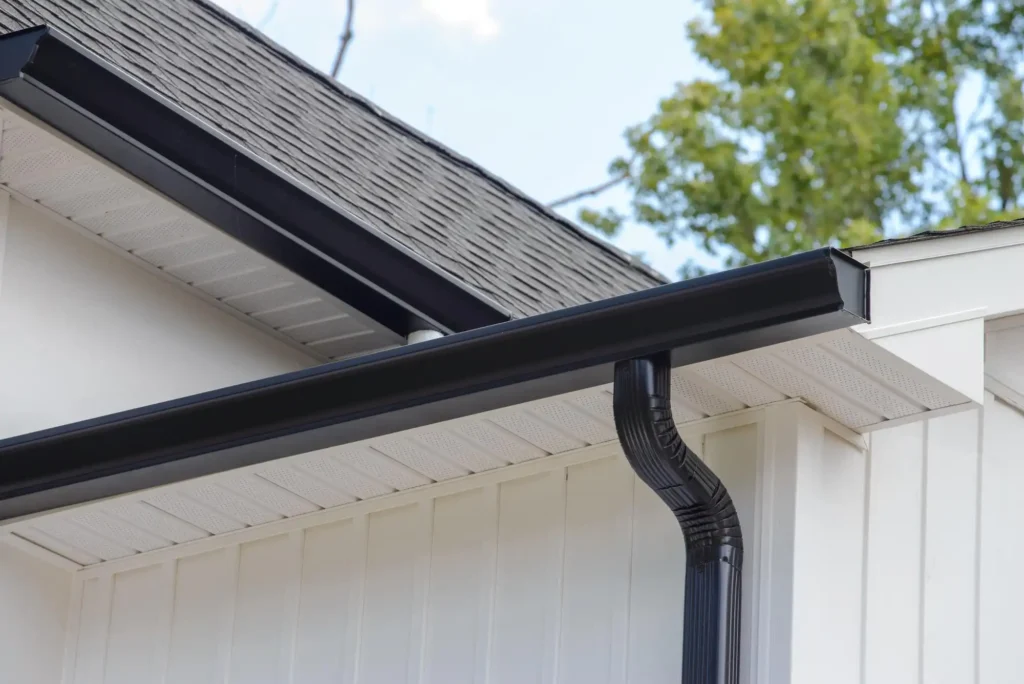
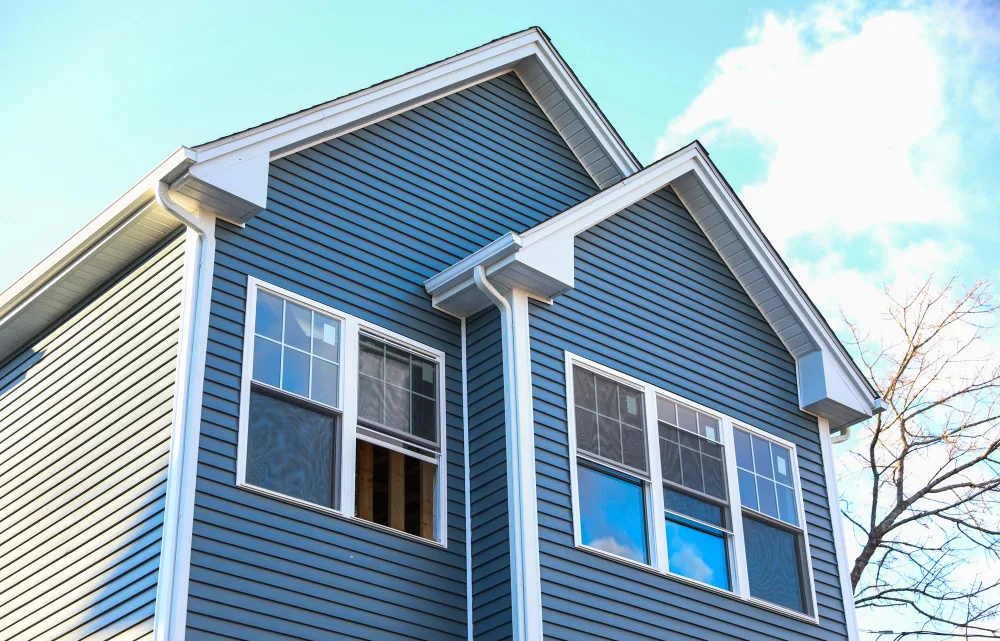
Siding doesn’t work alone. It meets your windows, doors, gutters, and roofline, and each of those junctions needs careful flashing and sealing. Ask how the crew handles those transitions, since gaps around them are where water tends to find a way in.
Ask how the estimate handles exterior components that may need to be removed, adjusted, or worked around during siding installation. Depending on the home, that can include gutters or downspouts, exterior lights, vents, shutters, utility penetrations, trim, and other attached components. Confirm whether removal and reinstallation are included in the quoted scope or would be billed separately.
If the siding project exposes areas where insulation or air sealing can be addressed, ask whether those items are part of the proposed scope or should be evaluated separately.
Timeline, Payment, and Cleanup
Ask for a start date, an expected duration, and a plan for weather delays. Weather conditions can affect siding installation, so a schedule with some flexibility is realistic. A contractor who promises exact dates no matter what the forecast says may not be giving you the full picture.
Payment terms deserve attention as well. The written agreement should clearly explain any deposit, progress payments, and when the final payment is due. Wisconsin DATCP notes that when payment is required before home-improvement work is completed, a written contract is required. Review the payment schedule before signing and understand what project milestone, if any, is associated with each payment.
Wisconsin homeowners should also understand their lien-waiver rights before making project payments. Ask when applicable lien waivers will be provided and keep them with the other project documentation.
Finally, ask about cleanup and protection. Find out how the crew will guard your landscaping, windows, and driveway, and who hauls away the debris. Ask how construction debris and loose fasteners will be collected and how the work area will be cleaned at the end of the project.
Approve the Estimate Only When the Answers Add Up
A strong estimate answers your concerns before you raise them. Keep this list of siding estimate questions handy when contractors visit, and don’t rush into a signature because someone offers a limited-time discount. A few extra days of checking can save you months of frustration.
If you want another estimate to compare, Stein Home Solutions provides estimates for siding, roofing, gutters, and storm damage restoration across Southern and Southeastern Wisconsin. Stein Home Solutions has served Wisconsin homeowners since 1995 and provides siding services for a range of exterior materials.
FAQs:
1. How many estimates should I collect before deciding?
Getting several estimates can give you useful points of comparison without making the process unnecessarily complicated. If the prices differ widely, consider getting another estimate so you can better understand why the proposals vary. Lay the quotes side by side and mark every line that appears in one but not the others.
2. How do I judge a contractor’s references?
Call two or three recent customers and ask about communication, cleanup, and whether the final bill matched the quote. If possible, drive past a finished home to see the work yourself. Ask each reference whether they’d hire the same crew again.
3. Which season suits siding work in Wisconsin?
Suitable installation conditions depend on the siding product, manufacturer requirements, weather, and the specific project. Ask the contractor whether temperature, precipitation, or other conditions could affect installation and how weather-related schedule changes will be handled.
4. What if the estimate changes after the old siding is removed?
If previously concealed damage changes the project scope, ask the contractor to document what was found, explain the additional work being recommended, provide the added cost, and follow the agreed change-order process before the additional work proceeds.
5. What should I have ready when requesting a siding estimate?
Have the property address, approximate project scope, known siding problems, and any photos of damaged or deteriorated areas ready. It can also help to mention previous repairs, moisture concerns, or other exterior work you are considering so the contractor understands the project before preparing the estimate.