Approve a siding estimate only after you understand what it covers, what it leaves out, and who stands behind the work. A quote that names materials, labor, permits, and warranty in plain language gives you a clearer basis for comparing proposals and understanding your responsibilities. Before you sign, run through these siding estimate questions to spot gaps early.
Stein Home Solutions, a family-owned Wisconsin exterior company since 1995, helps homeowners with roofing, siding, and gutter projects. Our team provides estimates to help homeowners understand their project options and scope.
Start With the Scope of Work
A good estimate reads like a plan, not a price tag. Look for the job address, the walls involved, and a clear description of what comes off your house before anything new goes up. If the paper only says “replace siding” next to a lump sum, ask the contractor to spell it out before you move forward.
Push for written siding estimate details that list old material removal, house wrap or underlayment, flashing, trim, fasteners, and debris disposal. Each line shows you where your money goes. It also gives you something concrete to compare when a second contractor sends a quote and provides a written reference if questions or disagreements arise during the job.
Measurements matter too. Ask how the crew measured your home and whether the quote covers total wall area or only what’s visible from the street. Small measuring errors can stretch into extra material orders, and those extra orders tend to land on your final invoice. Get the answer in writing.
Stein Home Solutions has served Wisconsin homeowners since 1995 and provides siding services for a range of exterior materials.
Where Does the Quote Leave Gaps?
Estimates can leave out important details, either because the scope was not fully defined or because certain items were not included in the quoted price. Ask the contractor directly what falls outside the price. Permits, dumpster fees, painting, and gutter removal may not be included, so clarify those items before the crew arrives and work begins.
Siding replacement hidden costs can arise once the crew removes the old material and discovers conditions that were not visible beforehand. Rotted sheathing, moisture damage, and failed flashing can turn a tidy quote into a much larger bill. Ask how the contractor prices that repair work and request the pricing method in writing so there is less uncertainty if additional work becomes necessary.
Then ask how change orders work. A clear change-order process should explain the problem, document the condition when practical, and identify whether homeowner approval is required before additional work begins. If a contractor dodges this topic or says “we’ll figure it out later,” treat that as a warning sign and keep shopping.
Materials Deserve a Closer Look
Your estimate should name the exact product, not just the category. Vinyl, wood, cedar shingles, and LP SmartSide engineered wood each behave differently, and their prices vary widely. Ask for the brand, product line, thickness, and color so you can look up the specifications yourself and check that you’re comparing similar options.
Think about upkeep as well. Vinyl resists rot and chipping paint, and thicker panels can last 20 to 40 years depending on the manufacturer. Wood holds up well when you maintain it properly, while cedar shingles suit natural settings. Ask which option fits your budget and your patience for future maintenance.
Wisconsin weather adds another layer to the decision. Wind, rain, and big swings in temperature put a home’s exterior through a lot, so ask how the contractor chooses materials for local conditions. A contractor familiar with local conditions should be able to explain how the proposed materials are suited to the project and local climate.
Credentials Behind the Crew
Confirm the contractor’s applicable Wisconsin credentials and insurance coverage before you sign anything. Ask which contractor credential applies to the project and verify the business or credential information through the appropriate Wisconsin or local authority. Request a certificate of insurance that shows both general liability and workers’ compensation coverage, and keep a copy with your contract.
Appropriate insurance coverage can help address certain risks if an accident or property damage occurs during the project. If a worker slips off a ladder or a falling panel dents your neighbor’s car, an uninsured contractor could leave you holding the bill. Consider confirming that the coverage is current and asking what types of work and risks the policy covers. A certificate of insurance provides information about coverage but does not replace the policy itself.
Ask about the crew itself, too. Find out whether the contractor uses employees or subcontractors, and who supervises the job day to day. Solid contractors answer these questions plainly and share references from recent projects near your home.
Warranty Fine Print
Review the siding warranty terms in the estimate and confirm how manufacturer coverage differs from workmanship coverage. The two protect different things, and many homeowners assume one covers both. If the estimate doesn’t mention warranties at all, ask for a copy of the actual documents before you approve the job.
Manufacturer warranties may cover certain product defects or performance issues, but the covered conditions, exclusions, duration, and remedies vary by product. Ask the contractor to explain what workmanship coverage is provided and how long it lasts. Ask how long each warranty lasts, whether it transfers to a new owner if you sell, and what actions could void it.
Ask how you’d file a claim, too. Find out who you should contact if a problem arises, how warranty claims are handled, and whether you need to register the product with the manufacturer to activate coverage.
Why Does the Lowest Bid Cause Trouble?
Homeowners naturally compare siding replacement cost first, and that makes sense given the size of the investment. But a lower price may reflect differences in materials, preparation, installation scope, or other items included in the estimate. Ask each contractor to explain what drives their price so you can judge the work behind the number.
Collect at least three estimates when you can, and compare them line by line. A quote that lands far below the others deserves a follow-up call. Ask what the contractor left out, changed, or priced differently so you can understand the reason for the difference.
Value counts too. Installation quality can affect how the siding system performs over time, while inadequate preparation or installation may contribute to problems such as water intrusion or damaged siding. Weigh the long-term picture, not just the total on page one.
Permits, Codes, and Neighborhood Rules
Ask who pulls the permit. Many cities and towns require one for siding work, and the rules differ from one municipality to the next. If the contractor handles the paperwork, it can simplify the permitting process. Confirm whether the permit fee and application responsibilities are included in the estimate or billed separately.
Check your community’s rules before you order anything. If you belong to a homeowners association, find out whether it limits colors, textures, or materials. Some associations require approval in advance, so ask about any color, material, or exterior-design restrictions that could affect your project timeline. Ask the contractor whether they’ve worked with your association before.
Ask about inspections, too. Some jobs need a local inspector to sign off, and someone has to schedule that visit. Make sure the contractor plans for it, so a missed appointment doesn’t leave your project in limbo.
Windows, Gutters, and the Rest of the Exterior
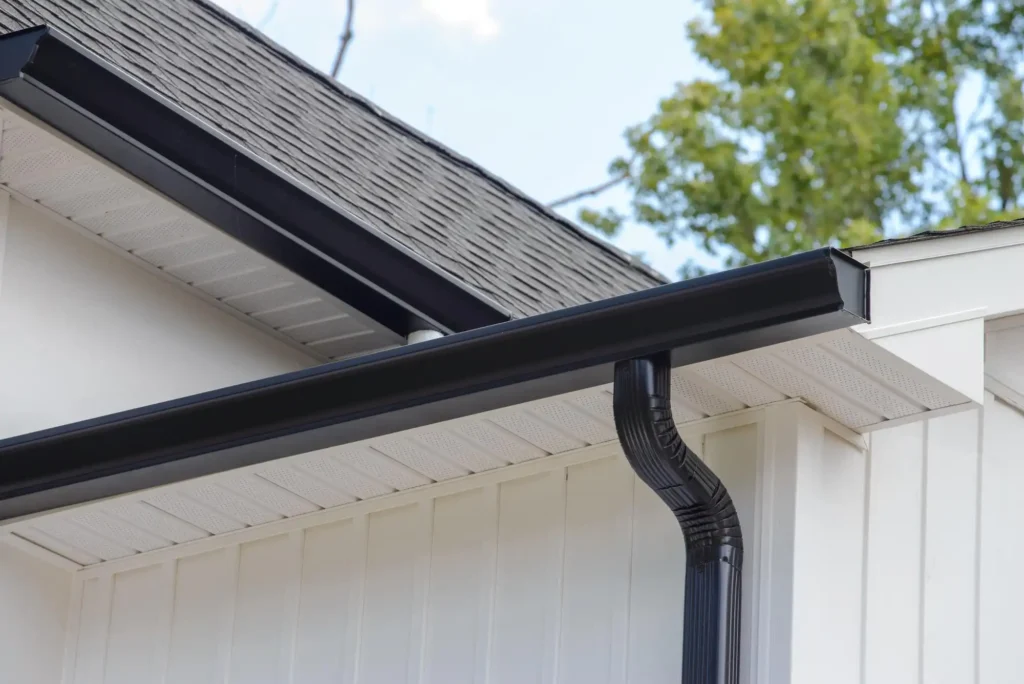
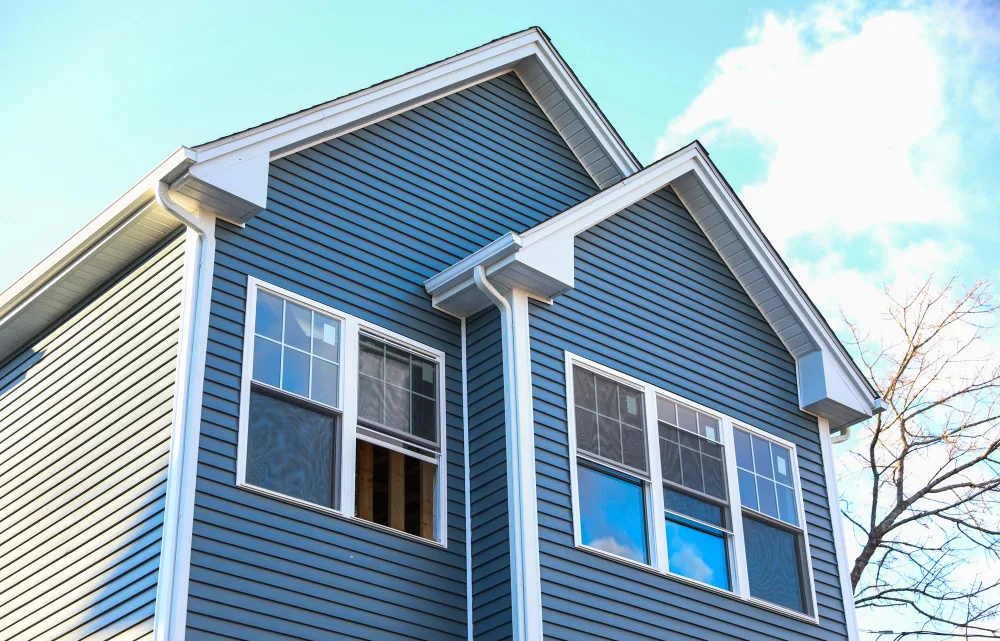
Siding doesn’t work alone. It meets your windows, doors, gutters, and roofline, and each of those junctions needs careful flashing and sealing. Ask how the crew handles those transitions, since gaps around them are where water tends to find a way in.
Think about timing other exterior work alongside the siding project. If your gutters look worn or your windows are due for replacement, coordinating related exterior work in advance may help avoid having newly installed siding disturbed later. Ask whether the contractor offers those services or coordinates with other qualified professionals when needed.
If the siding project exposes areas where insulation or air sealing can be addressed, ask whether those items are part of the proposed scope or should be evaluated separately.
Timeline, Payment, and Cleanup
Ask for a start date, an expected duration, and a plan for weather delays. Weather conditions can affect siding installation, so a schedule with some flexibility is realistic. A contractor who promises exact dates no matter what the forecast says may not be giving you the full picture.
Payment terms deserve attention as well. Many contractors ask for a deposit and then bill in stages tied to progress. Be cautious about large upfront payments, and ask when the final payment comes due. Ask how the final payment is tied to project completion and whether a final walkthrough is included before the remaining balance is due.
Finally, ask about cleanup and protection. Find out how the crew will guard your landscaping, windows, and driveway, and who hauls away the debris. Asking for a magnet sweep to pick up stray nails is a smart request, since loose fasteners can end up in your tires.
Approve the Estimate Only When the Answers Add Up
A strong estimate answers your concerns before you raise them. Keep this list of siding estimate questions handy when contractors visit, and don’t rush into a signature because someone offers a limited-time discount. A few extra days of checking can save you months of frustration.
If you want another estimate to compare, Stein Home Solutions provides estimates for siding, roofing, gutters, and storm damage restoration across Southern and Southeastern Wisconsin.
FAQs:
1. How many estimates should I collect before deciding?
Getting several estimates can give you useful points of comparison without making the process unnecessarily complicated. If the prices differ widely, consider getting another estimate so you can better understand why the proposals vary. Lay the quotes side by side and mark every line that appears in one but not the others.
2. How do I judge a contractor’s references?
Call two or three recent customers and ask about communication, cleanup, and whether the final bill matched the quote. If possible, drive past a finished home to see the work yourself. Ask each reference whether they’d hire the same crew again.
3. Which season suits siding work in Wisconsin?
Spring through fall can offer suitable conditions for siding work, but the best timing depends on the material, local weather, and the contractor’s installation requirements. Vinyl turns brittle in deep cold, so ask your contractor how they handle winter scheduling. Booking early in the year can also help you secure a preferred start date.
4. How does storm damage affect my estimate?
Photograph the damage and ask the contractor to document any storm-related repairs separately when appropriate. Keep photos, estimates, and other project records available for your insurer if you decide to file a claim. Check your policy deductible before deciding how to proceed, and keep your photos and written records organized in one place.
5. What should I have ready when requesting a siding estimate?
Have the property address, approximate project scope, known siding problems, and any photos of damaged or deteriorated areas ready. It can also help to mention previous repairs, moisture concerns, or other exterior work you are considering so the contractor understands the project before preparing the estimate.