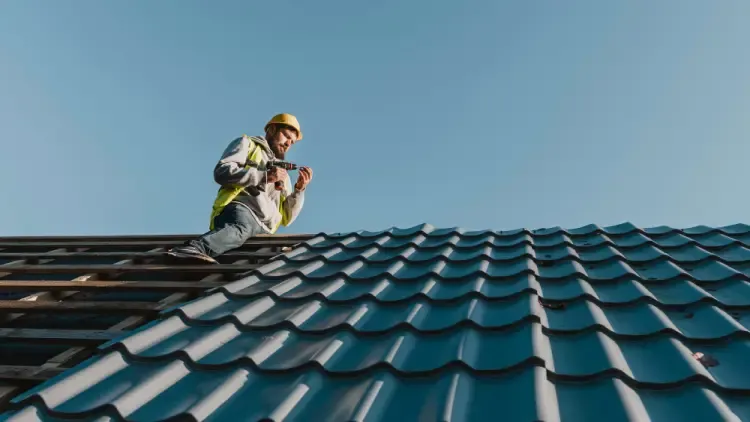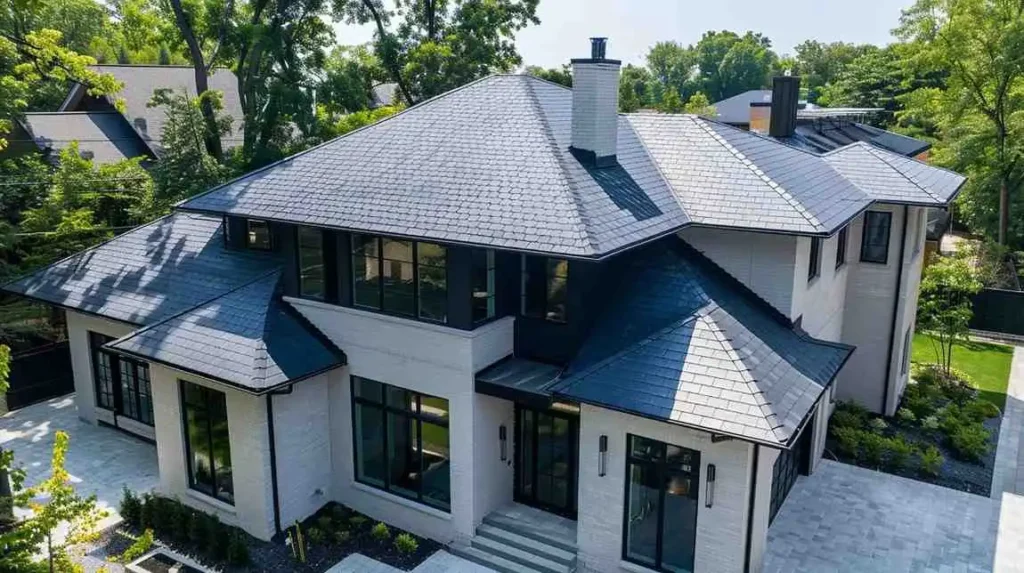
Wisconsin weather can change very quickly. A day can start warm and end cold. Sometimes, temperatures rise above freezing during the day and fall well below freezing at night. These sudden changes may seem normal, but they put strong pressure on your roof.
According to the Wisconsin State Climatology Office, Wisconsin often experiences sharp temperature shifts during seasonal changes, especially in winter and early spring. These shifts make building materials expand and contract again and again.
Because your roof is always outside, it feels this stress more than any other part of your home. Over time, this movement weakens shingles, loosens flashing, and creates small openings where water can enter. At first, the damage is slow and hidden. However, if it is not fixed early, it can lead to leaks, mold, wood rot, and costly repairs.
This is why many homeowners choose to work with experienced roofing contractors madison wi. Professional inspections help find small problems before they grow into serious damage.
What Are Seasonal Temperature Swings?
Seasonal temperature swings happen when warm and cold air move quickly through an area. In Wisconsin, this happens often because different weather systems meet in the Midwest. Warm air from the south and cold air from the north collide, which causes temperatures to change fast.
For your roof, this means:
- Materials expand when it is warm
- Materials shrink when it is cold
- Water melts and refreezes many times
Each change may seem small, but together they slowly weaken the roof. Shingles lose flexibility. Sealants dry out. Flashing becomes loose. Small cracks start to form. Water then enters these cracks and freezes, which makes the openings even larger.
Because of this, protecting your roof is not optional. Protect Your Roof From Wisconsin’s Harsh Temperature Swings by understanding how this process works and acting early.
How Temperature Changes Damage Roofing Materials
Your roof is made of many parts that work together. These include shingles, underlayment, flashing, nails, and sealants. All of them react to temperature.
When temperatures rise:
- Materials expand
- Ice and snow melt
- Seals soften
When temperatures drop:
- Materials shrink
- Melted water refreezes
- Cracks become wider
This cycle repeats many times each winter. As a result, roofs slowly lose strength. Even strong materials wear down when pushed beyond their limits over and over again.
In addition, moisture that enters the roof can reach the wooden structure below. This leads to rot, mold, and weakened support. That is why temperature swings cause more damage than steady cold weather.
The Role of Freeze and Thaw Cycles
Freeze and thaw cycles are one of the biggest threats to your roof in Wisconsin. These cycles happen when snow melts during the day and refreezes at night. Each time water changes from liquid to ice, it expands. This expansion puts pressure on roofing materials.
Over time, freeze and thaw cycles cause:
- Cracked shingles
- Lifted flashing
- Broken sealants
- Leaks in the roof deck
The danger is that much of this damage stays hidden. Homeowners may not notice a problem until water stains appear on the ceiling or walls. By then, repairs may already be expensive.
Because this damage is hard to see, many homeowners rely on roofing contractors madison wi to inspect their roofs carefully after winter.
How to Prepare Your Roof for Winter
Preparation should begin before cold weather arrives. A prepared roof performs better and lasts longer.
- First, schedule a professional inspection.
- Next, repair loose or damaged shingles.
- Then, check attic insulation and ventilation.
- Finally, clear gutters and downspouts.
These steps help create stable roof temperatures and reduce stress on materials. They also improve your home’s energy efficiency.
This is where Stein Home Solutions plays an important role.
Stein Home Solutions understands Wisconsin’s weather challenges and focuses on preparing roofs for seasonal stress. Their team inspects both the surface and the structure of the roof to ensure it is ready for winter.
Why Do Temperature Swings Happen in Wisconsin?
Temperature swings happen because of moving air masses. Warm air travels north. Cold air moves south. When they meet, temperatures change quickly. This is normal for Wisconsin and cannot be avoided.
Because these changes are natural, roofs must be built and maintained to handle them. Understanding this helps homeowners see why roof care is not just helpful. It is necessary.
Choosing the Right Roofing Material for Wisconsin
Material choice plays a big role in how well your roof handles temperature swings.
Some good options include:
- Asphalt shingles designed for cold climates
- Metal roofing that sheds snow easily
- Synthetic materials that resist cracking
Each material has strengths. Asphalt shingles are affordable and flexible. Metal roofs last long and reduce snow buildup. Synthetic materials offer strong moisture protection.
Stein Home Solutions helps homeowners compare these options and choose materials that match their home and budget.
Why Professional Roofing Services Matter
Roofing in Wisconsin requires experience. The climate is demanding, and mistakes can be costly.
Professional services provide:
- Detailed inspections
- Safe repairs
- Long-term protection
- Code-compliant work
Homeowners who use professionals avoid repeated damage and unnecessary expenses.
This is another reason people trust roofing contractors madison wi when dealing with seasonal roof concerns.
The Value of Working With Stein Home Solutions
Stein Home Solutions focuses on long-term roof health. Their work goes beyond quick repairs. They look at ventilation, insulation, and structural strength.
Stein Home Solutions helps homeowners understand:
- How temperature swings affect roofs
- What steps prevent damage
- Which repairs provide lasting results
By taking a complete approach, they help protect both homes and investments.
The Long-Term Effects of Seasonal Temperature Swings on Your Roof
Seasonal temperature swings not only cause short-term damage. Over time, they slowly weaken the entire roofing system. Each part of the roof depends on the others to stay strong. When one part becomes weak, the rest of the system is affected.
For example, when shingles crack or lift, water can enter beneath them. When flashing loosens, moisture can reach areas that should stay dry. When sealants fail, small gaps form that allow air and water to move freely. These problems grow quietly and may not show clear signs right away.
As a result, roofs that are not maintained often suffer from:
- Hidden moisture damage
- Weakened wood structures
- Mold growth in attic spaces
- Higher heating and cooling costs
Because Wisconsin experiences constant temperature changes, roofs here age faster if they are not properly cared for. This is why regular inspections and maintenance are not optional. They are essential for long-term protection.
How Ventilation Helps Protect Your Roof
Ventilation plays a very important role in roof health. It controls temperature and moisture inside the attic. Without proper airflow, warm air becomes trapped. This creates uneven roof temperatures.
When parts of the roof are warmer than others:
- Snow melts faster in some areas
- Water runs down and refreezes at colder edges
- Ice dams form more easily
Good ventilation helps:
- Keep roof temperatures even
- Reduce moisture buildup
- Lower the risk of ice dams
- Improve energy efficiency
Balanced ventilation includes both intake and exhaust vents. Together, they allow fresh air to move through the attic and prevent heat buildup. This simple system protects the roof from stress caused by seasonal temperature changes
Why Attic Insulation Matters
Insulation works with ventilation to protect your roof. While ventilation controls airflow, insulation controls heat loss.
When insulation is weak:
- Warm air escapes into the attic
- Snow melts unevenly
- Ice dams form faster
When insulation is strong:
- Heat stays inside your home
- Roof temperatures remain stable
- Snow melts more slowly and evenly
Proper insulation reduces stress on roofing materials and improves indoor comfort. It also helps lower energy bills.
When to Call a Roofing Professional
Some roof problems are too serious to handle alone. You should contact a professional if you notice:
- Water stains on ceilings or walls
- Shingles missing after storms
- Ice dams form every winter
- Drafts or cold air from the attic
- Sagging areas on the roof
These signs show that your roof needs attention. Waiting too long can make repairs more expensive.
Many homeowners contact roofing contractors madison wi when these issues appear because professional inspections provide accurate answers and safe solutions.
How Regular Maintenance Saves Money
Many people delay roof care because they think it is expensive. However, regular maintenance actually saves money in the long run.
Small repairs cost much less than major replacements. For example:
- Fixing one loose shingle costs little
- Replacing damaged roof decking costs much more
By addressing issues early, you avoid:
- Emergency repair fees
- Interior damage
- Mold cleanup
- Energy loss
Maintenance protects both your roof and your budget.
The Importance of Planning Ahead
Roof care should never be rushed. Planning ahead allows homeowners to schedule inspections during calm weather and avoid winter emergencies.
Planning includes:
- Annual inspections
- Pre-winter preparation
- Budgeting for repairs
- Choosing strong materials
When care is planned, roofs last longer and perform better.
Take Action to Protect Your Roof Today
Wisconsin’s climate places heavy pressure on roofing systems. Seasonal temperature swings, freeze and thaw cycles, snow, and ice can shorten the life of your roof if it is not properly maintained. However, with the right care, your roof can remain strong and reliable for many years.
Protect Your Roof From Wisconsin’s Harsh Temperature Swings by scheduling regular inspections, improving insulation and ventilation, and fixing small issues early. These steps reduce stress on roofing materials and prevent serious damage.
Book a Professional Roof Check Before Small Issues Get Costly, so you can address problems before they become expensive repairs. Early action always leads to better results.
With careful planning, proper maintenance, and professional support, your roof can stay safe, strong, and ready for every Wisconsin season.
Frequently Asked Questions
1. Why are seasonal temperature swings so harmful to roofs?
Seasonal temperature swings cause roofing materials to expand when it is warm and shrink when it is cold. This movement weakens shingles, flashing, and sealants. Over time, small cracks form. Water enters these cracks and freezes, which makes the openings larger. As a result, roofs slowly lose their ability to protect the home.
2. How often should my roof be inspected in Wisconsin?
Your roof should be inspected at least twice each year. One inspection should be done in early fall before winter begins. Another should be done in late winter or early spring after heavy snow and cold. In addition, inspections should be scheduled after strong storms.
3. Can winter roof maintenance really prevent major damage?
Yes, winter roof maintenance helps prevent serious damage. Cleaning gutters allows water to drain properly. Strong insulation prevents uneven snow melting. Proper ventilation reduces moisture buildup. Together, these steps lower the risk of leaks, ice dams, and structural stress.
4. Does insulation affect ice dam formation?
Yes, insulation has a major impact. When insulation is weak, warm air escapes into the attic. This warms parts of the roof and causes snow to melt unevenly. The water refreezes at colder roof edges and forms ice dams. Strong insulation keeps roof temperatures more stable and reduces this problem.
5. What should I do if I find roof damage during winter?
If you find roof damage during winter, contact a professional as soon as possible. Do not climb onto icy surfaces. A professional can inspect the damage safely and recommend repairs that prevent further problems.