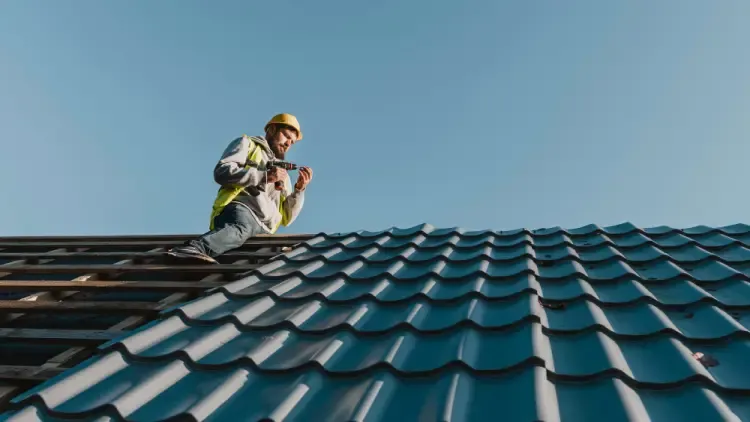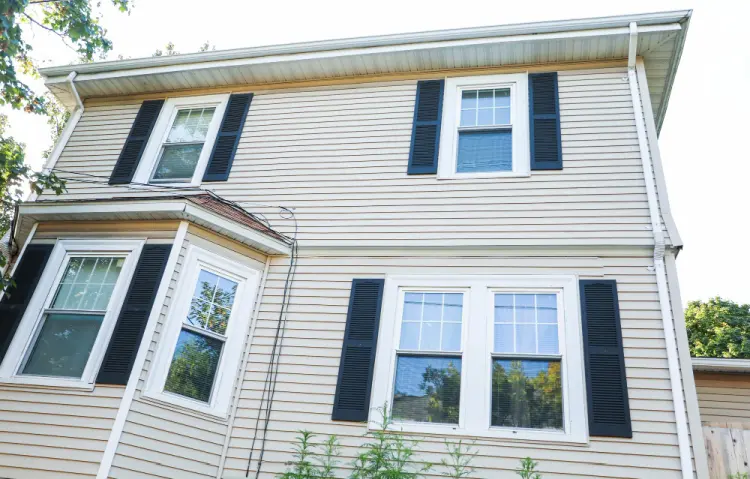
A hailstorm comes through Wisconsin at night and leaves shingles lying around in the yard come morning. Many property owners wonder how the process works. Here’s how the process of handling roof insurance claims in Wisconsin really works, from start to finish. It typically begins with documenting the extent of the damage done, filing your claim, and getting a licensed contractor to assess the repair or replacement needed.
Stein Home Solutions has been helping homeowners in Southeast Wisconsin with their roof insurance claim process since 1995. We have helped to keep things straightforward with honest inspections and claim handling.
Roof Insurance Claims in Wisconsin: Everything a Homeowner Needs to Know
Wisconsin weather conditions make roofing difficult. Between the hailstorms in spring, straight-line winds during summer, and ice dam formation during winter, your roof could suffer from the weather conditions at any point in time. The fact is that most homeowners insurance policies offer coverage for sudden and accidental damage resulting from a particular event and not the gradual damage resulting from wear and tear.
The point here is that it will influence the Wisconsin damage insurance claim process that homeowners go through. Typically, the insurance company wants to know the date of damage, its cause, and whether there was proper roof maintenance prior to the damage. Those homeowners who understand the importance of this information before filing a claim avoid problems.
Call us today for your free roof evaluation!
Does Homeowners Insurance Cover Roof Leaks in Wisconsin?
The mere presence of a leak doesn’t automatically mean coverage. However, when the leak results from wind-driven rain, hail damage, or a tree branch that hit the roof, the typical homeowners insurance policy in Wisconsin will provide coverage for repairs. If the leak comes from years of deterioration, a faulty flash, or an old roof, the carrier will reject the claim as a maintenance problem.
That’s why timing and documentation become key here. The homeowner who sees water stains on his ceiling needs to find out where the water entered the attic and the roof by conducting an inspection. Photos of both the interior and exterior damage help the claims adjuster understand how the damage occurred.
How to File a Roof Insurance Claim in Wisconsin
The claim process will begin with a telephone or online claim made to the insurance company, hopefully within days of realizing that the roof is damaged. The homeowner should be prepared to give their policy number, along with a brief description of the incident and the time when it first became evident.
After the claim is filed, the insurance company will schedule an inspection by their adjuster, which can be expected in one to two weeks. Having a roofer available at this time is helpful because a second professional opinion may be able to pick up some things that could get overlooked the first time around.
What Happens After Filing a Homeowners Insurance Roof Claim?
After the inspection is done by the adjuster, a written estimate is sent out that lists the cost of the repairs covered as well as the payment amount. In many cases, payments are made in two phases – an initial payment which is calculated based on the actual cash value of the roof, and then a second payment is made after the work is done and the bill is sent in.
This is the point where things can slow down in a homeowner’s insurance roof claim in Wisconsin due to disagreements about the extent of damage. An independent estimate from a local contractor can be very helpful in this situation.
Common Factors that Cause Roof Damage Claims
Hail is the number one reason behind roof damage claims in the late spring and early summer seasons in this area. When storm fronts pass through Southeastern Wisconsin, they tend to have very little warning, and hailstones tend to damage the shingles in a way that may not be noticeable until a professional assessment is done.
The second factor is ice dams, as when snow melts from the heat on the roof and then refreezes near the eaves, it causes the water to get back under the shingles, causing damage to the roof. Lastly, strong winds and falling tree limbs also cause roof damage.
Roof Storm Damage to Replacement
There are cases where a claim cannot be settled using a patch fix for the roof shingles. In the case of roof storm damage claims in Wisconsin, if it involves hail marks, broken underlayment, or extensive damage to the roof that involves different roof pitches, replacing the roof would become the better choice.
It is here that good documentation can make a significant difference. Documentation of the extent of damage, along with information from the manufacturer on how to match materials, will justify the roof replacement claim over a patch fix that will fail the next winter.
Dealing With the Insurance Adjuster
The primary role of the adjuster is to establish the extent of the damage and whether the policy covers such an incident. This fact should help homeowners change their approach to this meeting. It is better to give honest answers about the reasons for the damages and just stick to facts without making guesses.
One more thing that can be done during the visit of the insurance adjuster is to accompany the adjuster onto the roof if possible. Showing concrete areas which should be repaired, for example, missing granules in certain areas or a soft area around vent pipes, will provide a better estimate than just leaving the adjuster alone.
Full Replacement or Repair
A damaged roof does not necessarily have to be completely replaced. Damage caused by a local windstorm, which only results in some uplifted shingles on a single slope of a roof, could usually be remedied through a focused repair. This would be recommended in a roof that is still capable of serving for more than a few years.
However, things are different in cases where there is damage on more than one slope, or when the existing shingles are already close to their maximum lifespan. In those situations, a repair may only provide a temporary solution in these instances because it will result in mismatches in materials and weaknesses that could give way to future claims. A contractor’s written assessment detailing where the damage is and its effect on the entire roof will give an idea of what course of action to take.
Common Mistakes to Avoid When Filing a Claim
One of the most common mistakes is not reporting the damage promptly after a storm has occurred. Insurers have reason to question the timing of the claim process if the delay is considerable, a period of weeks or even months between the actual event and the filing of the claim, despite the clear connection to the specific storm being reported.
Another mistake often made by individuals is contracting a roofing company prior to receiving the estimate for insurance from the insurance adjuster. Many homeowners rush to secure a roofing company immediately following a storm and end up incurring additional expenses because of the fact that the payment will be based on the adjuster’s estimate of the cost of the repairs.
Preparation of Your Roof for Wisconsin’s Upcoming Season
After a claim is settled, the process doesn’t have to end there. Every time Wisconsin changes its season, your roof is subjected to new challenges, and a homeowner who makes sure that a couple of preventive measures are taken after a claim can make it through next year without any additional hassle.
Cleaning out your gutters prior to the freeze, pruning the branches that extend over the roof, as well as ensuring that you have proper attic insulation, can decrease the chances of damage from ice dams or from wind claims.
Also, it is a good idea to have your roof inspected after every significant storm, even if at the moment no leaks or damage are present. There are certain problems that won’t become apparent until it rains again.
Trust Local Experts to Get You through the Roof Insurance Process
It’s not just a matter of knowing what the claim process involves. It’s having the person who will be on-site to assess the damage, document it correctly, and back you up after your insurance company gives its approval.
Stein Home Solutions has been serving communities in Southeastern Wisconsin, such as Milwaukee, Waukesha, Madison, Racine, and Kenosha, since 1995, and we have hail damage assessments and storm recovery services geared specifically toward situations like this one. In the aftermath of a storm that has left you questioning the state of your roof, a simple call for a free evaluation is all it takes.
FAQs:
1. What is the time limit for making a roof damage claim in Wisconsin after a storm?
It is customary to report damage in a timely fashion, usually between 30 to 60 days, but it depends on the terms of your insurance contract. If you wait too long to report the damage, the insurer will have doubts that the damage took place during the mentioned storm, not afterward.
2. Does submitting an insurance claim in connection with roofing damage affect homeowners insurance rate in Wisconsin?
An insurance claim related to weather damage is viewed by insurers much more positively than a neglect-based damage claim. A weather claim is considered an external one, unrelated to homeownership.
3. Which documents should a homeowner prepare before the arrival of the adjuster?
Photographic documentation of roof damage from different angles, a record of the latest roof inspection/maintenance, and dates when the damage appeared. All these materials would be helpful, and preparing them beforehand saves you from prolonged inspection and numerous questions during the adjustment process.
4. Is there an opportunity to get a second estimate in case of a low insurance estimate?
Yes, and such a measure is rather common. A licensed roofer can do an estimate of materials and labor costs, and then it can be compared to the insurer’s estimate. If there is a significant difference, this might become the ground for filing a supplemental claim.
5. Are there any requirements about the type of roof material for the post-storm roof replacement in Wisconsin?
There are no general state requirements; however, there are a lot of insurers who recommend installing impact-resistant shingles as a measure of protection against future damage in hail zones. In addition, local regulations on roof ventilation and underlayment during a full replacement can be of some importance.